EBC with Helicopter Return Trek – 10 Days
Overview
What to Expect on EBC with Helicopter Return Trek
This trek provides you with a blend of an adventure and a challenging high-altitude trek as well as a comfortable trip back by helicopter. Then, the trek allows you to enjoy the magnificent views of the Himalayas, Sherpa culture, and a trek in one of the most renowned trekking areas in the world. The trek back with a helicopter gives you comfort as well as saving you from a number of days trekking down from Everest base camp. Depending on weather conditions and passenger weight, the helicopter may operate via shuttle flights from Gorakshep/Pheriche before continuing to Kathmandu.- Trekking at high altitude with gradual but challenging uphill climb
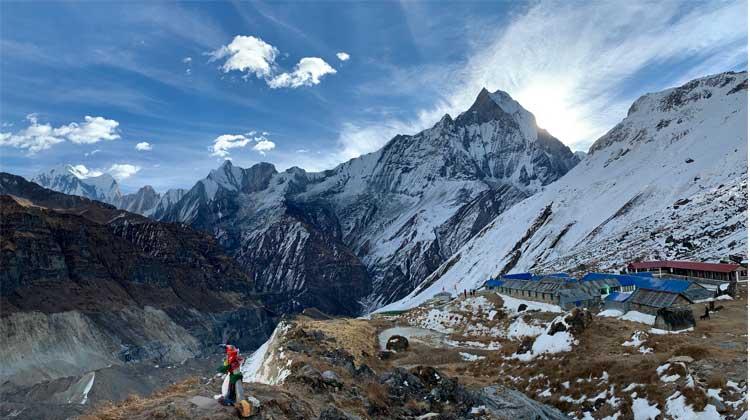
- Magnificent views of Mt. Everest, Mt. Lhotse, Ama Dablam, and other mountains
- Teahouse accommodation along the trekking route are basic but comfortable
- Risk of altitude sickness over 3,000m, proper acclimatization is required
- Walking through the traditional Sherpa villages and Buddhist monasteries
- Close experience of the glaciers and Khumbu Icefall near Everest Base Camp
- Helicopter ride back to the Kathmandu with the magnificent mountain views
Extra Highlights of the EBC with Helicopter Return Trek
The EBC with Helicopter Return Trek offers several special experiences from the normal features in the trekking. These extra moments make the trek comfortable and unique from the ordinary EBC trek.- Convenient access to remote mountain areas by flight from Lukla
- The chance to enjoy the traditional lifestyle of the Himalayan tea house
- Daily interaction with mountain Sherpa communities in the mountain villages
- Provide safe and guided trekking support with experienced mountain staff
- Reduced physical strain by skipping the long routes
- Better time management for travelers who have short vacation time
- Chance to enjoy aerial photography of the Everest region during return flight
Best Time for EBC with Helicopter Return Trek
The best time to go on an EBC with Helicopter Return trek would be either in spring or autumn. This season ensures clear weather, safe journey conditions, and amazing views; other seasons are also possible but it require some effort and also comes with challenges.- Spring (March – May): Mild weather with blooming rhododendrons and clear mountain views.
- Autumn (September – November): Popular season with stable weather and amazing Himalayas' scenery.
- Winter (December – February): Extremely cold weather with clear and snowy mountains.
- Summer/Monsoon (June – August): Rainy weather mainly in the lower areas; and hazy views of the mountains.
Accommodation and Meals during EBC with Helicopter Return Trek
On EBC with helicopter return trek, the accommodation and food are modestly arranged in order to assist the trekkers in high altitudes. You will enjoy basic comfort during your stay at mountain teahouses and get adequate food sources that provide you energy during the entire trek.- Simple and clean teahouse accommodation while on trekking trail
- Local teahouses providing you warmth through Sherpa hospitality
- Preparing fresh meals with locally sourced ingredients at mountain kitchen
- Food choices available even at remote high altitude locations
- Dining halls where trekkers come and have their food
- Limited yet comfortable rooms meant only for sleeping
- Traditional Nepali food normally available at almost all villages
- Safe drinking water available at teahouses (boiled or filtered)
- Food portions provided with the intention of giving energy during trekking
- Seasonal food availability at higher altitudes and difficult access areas
- Attached bathrooms up to Namche Bazaar and shared at the higher elevations
- Heated dining rooms and Twin-sharing rooms
EBC with Helicopter Return Trek: What Makes It Popular?
The Everest Base Camp with Helicopter Return Trek has been very popular among trekkers since it includes all experience of an Everest trekking trip along with the fast return journey back home via helicopter. This package is particularly chosen by tourists who look for adventure without spending any additional day on their trekking journey.- Saves several days of your itinerary by not trekking back to the Everest region
- Best suited for travelers having limited vacation time
- Combines trekking adventures with luxurious helicopter ride
- Decreases physical stress after trekking to higher altitudes
- Gives you the flexibility of leaving in case of fatigue or altitude sickness
- Makes the Everest expedition possible for various types of trekkers
- Provides you an exciting aerial experience while going back
- Increases the efficiency of time use than the normal round-trip EBC trekking
- Very much suitable for maximizing experience in minimum time
- Preferred option by beginners for Everest region trekking
Culture Experience on the EBC Helicopter Return Trek
Everest Base Camp Helicopter Return Trek is more than just a trip to the mountains because there are many cultural experiences included in it. You will get to learn about the lifestyle, customs, and daily life of the people of the Sherpa community that live around.- Living experience of the Sherpa people in mountainous villages
- Visiting Buddhist monasteries and participating in prayer sessions
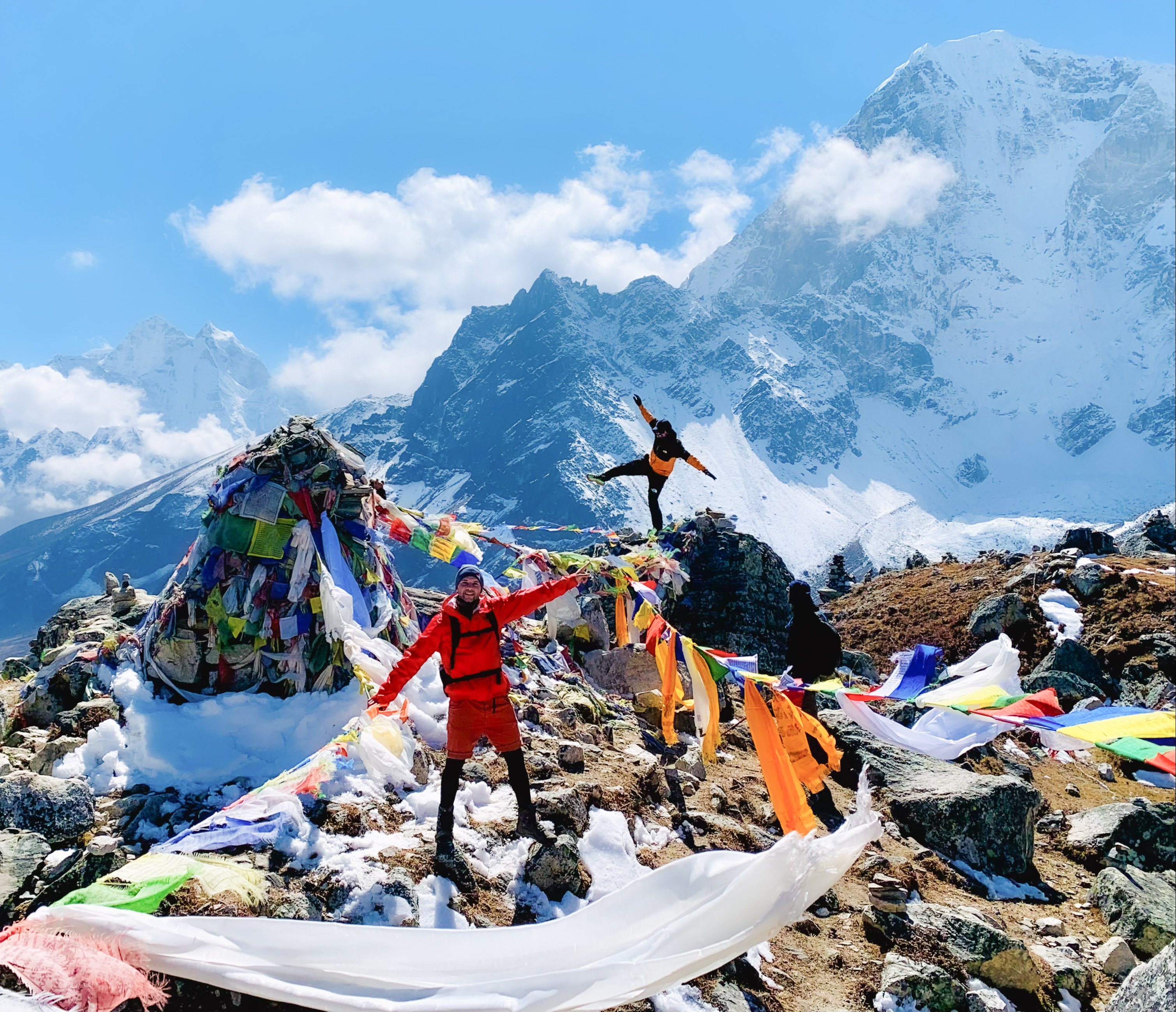
- Spotting prayer flags, mani stones, and chortens in the trekking route
- Learning about customs inspired by Tibetan Buddhism
- Meeting locals in teahouses and settlements
- Seeing farming and yak herding practices in the mountains
- Hearing stories about climbing Mount Everest from local communities
- Participating in colorfully cultural festivities (seasonal)
Altitude and Acclimatization for the EBC with Helicopter Return Trek
The Everest Base Camp Trek with Helicopter Return takes the trekkers to walk through extremely high altitudes with significantly less amount of oxygen compared to the sea level. It is essential to do proper acclimatization to ensure that you have a safe journey and enjoy the trek.- Altitude gradually goes up and climbs beyond 5,000m in the higher camps
- There are acclimatization days planned in Namche Bazaar, Dingboche, etc.
- A slow pace of walking is maintained to help the body get adjusted to the thin air
- Acute Mountain Sickness (AMS) symptoms include headache, dizziness, and nausea
- Hydration can help to prevent AMS during the trek
- Alcohol and hard physical exertion should be avoided at higher altitudes
- Helicopter return reduces fatigue but cannot eliminate the altitude danger while climbing
- Health status is checked periodically throughout the trek by guides
Difficulty Level of EBC with Helicopter Return Trek
Everest Base Camp Trek with Helicopter Return is moderate to hard trekking that demands physical fitness and mental toughness as trekkers spend many hours trekking in the high altitude and remote mountain areas. Trekking route gets tough as you trek at an elevation level above 4,000 meters.- Demand 5 to 6 hours of trekking per day on average
- Involves tough climbs and descents through rocky mountain trails
- At high altitude level of above 4,000m, there is high chance of altitude sickness
- Rocky trails, boulder trails, and rugged terrain trails
- Narrow trails with some walking through cliffs
- Weather changes suddenly in the mountains
- Fits for trekkers who are physically fit and mentally prepared
- Mental toughness due to strenuous trekking days
Permits Required for EBC with Helicopter Return Trek
For doing the Everest Base Camp with Helicopter Return Trek, there are a few permits that are required from the government of Nepal and local authorities. These permits are generally taken and arranged by the trekking agency before starting the trek.- Sagarmatha National Park Entry Permit: It can be obtained from Nepal Tourism Board in Kathmandu or Monjo entry gate, and it costs you around NPR 3,000 (USD 22 to 25).
- Khumbu Pasang Lhamu Rural Municipality Permit: It is issued at Lukla or Monjo check point in the Everest area, and approximately costs NPR 2,000 (USD 15).
Insurance for the EBC with Helicopter Return Trek
Insurance is extremely essential in the case of the Everest Base Camp with Helicopter Return Trek; as you will be doing a trek in high-altitude locations and remote mountain regions. It ensure safety and financial protection in case of accidents, illness, or emergency evacuation during the trek.- Insurance must provide cover for trekking at high altitude of 6,000 meters
- It must provide cover for any emergency helicopter evacuation from the Everest Region
- Cover the treatment of any medical condition, hospitalization, and altitude sickness
- Protects regarding cancellation, interruption, or delay of the trip.
- Must provide cover for loss of luggage and personal property
- Highly recommended insurance cover because of tough terrain
- Required by all trekking companies before going on the trek
- You must always keep a printed copy of your insurance document while trekking
Why Trek with Nepalaya Treks?
Selecting the right trekking company is one of the key factors to ensure the safety and happiness of your Everest journey. Here at Nepalaya Treks, we ensure that our professional and expert guides will offer you the best possible service from the moment of arrival to the time of departure. Our guides are familiar with the Everest area and are sure to offer you an unforgettable journey in the Himalayas.- Follow a Government approved guide with a wealth of knowledge about the Everest region, the culture and mountain safety.
- Proper acclimatisation days are included to minimise altitude risks and make your trek more comfortable.
- Stay in the local mountains in comfortable teahouse accommodation, eat healthy food and move about easily along the way.
- Medical surveillance, first-aid services and emergency services are provided on a daily basis, as necessary.
- Our guide/porter team is committed to giving individual attention to you and making your trekking experience enjoyable.
- Help and assistance is provided to you before, during, and after the trek.
Why Choose This Itinerary?
This itinerary would be perfect for those people who want to do Everest Base Camp but don’t have enough time and want to make sure that they can visit the key destinations within their schedule. Rather than trekking down, you go down on a helicopter ride and save several days and at the same time get amazing mountain views from above. It’s an ideal solution for all those who like a blend of comfort and adventure.- Trek to Everest Base Camp and hike to Kala Patthar for breathtaking views.
- Don’t spend extra days trekking down and fly by helicopter directly to Kathmandu.
- Great for those travelers who don’t have enough vacation days to make the trip complete.
- Well-planned rest days will help your body get used to altitude changes.
- Get rid of physical load while still enjoying trekking in the Everest area.
Safety on the EBC with Helicopter Return Trek
We prioritize your safety during your journey in the Himalayas. The route we plan takes care of the gradual ascent, acclimatization, and expert guidance to ensure that there is no chance of altitude sickness. We take all the precautions and monitor your health status in case of emergencies.- Trained government-lincensed guides in mountain safety and high altitude trekking.
- Regular check of oxygen level and pulse rates in higher sections of the trek.
- First-aid kits available on the trip for emergency use.
- Coordination immediately for helicopter evacuation in case needed through travel insurance.
- Gradual ascents through the itinerary for natural adaptation by the body.
- Monitoring of the weather and trails each day by guides.
Responsible Tourism
We believe that responsible travel will not only preserve the Himalayan mountains but will contribute to the development of the locals, who receive tourists each year. We try to promote environmentally friendly behavior during the trip, including the respect for the traditions of the locals.- Stay in local tea-houses and employ local guides and porters.
- Minimize plastic usage and litter disposal during the trip.
- Respect the local practices and traditions, in monasteries and religious places.
- Try to stick to the trails to prevent damage, to the delicate mountain environment.
- Promote use of reusable water bottles and eco-friendly hiking practices.
- Your hike adds to the employment and livelihoods of locals based on tourism.
Group Size
We conduct trekking activities for individual people, couples, families, and different sized groups. Whether you join small group treks or private departures, our goal is always to make sure; that there is personal attention and safety on the trip. Group sizes are managed carefully to ensure everyone enjoys the trek comfortably.- Smaller groups provide more interaction with guides and more enjoyable trekking experience.
- There are extra guides available for larger groups to keep things safe and to support.
- Ideal for travellers on their own, couples, families, and company groups.
- Walking speed is controlled within the group based on the total group speed.
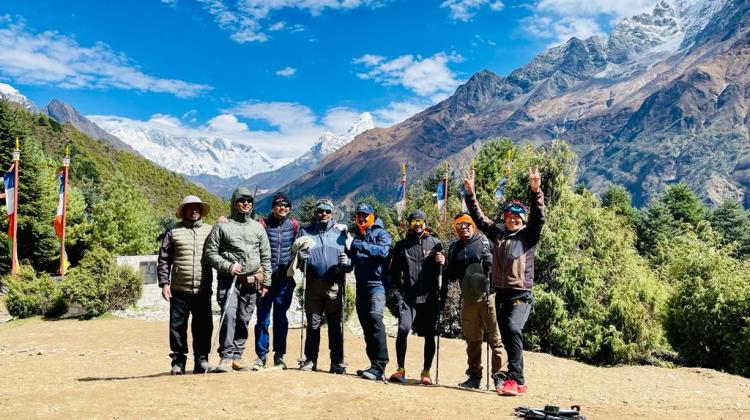
- Connect with other trekkers from around the world and share the adventure of Everest with them.
- The lower the guide to client ratio, the more rapid the help will be for the client when needed.
Private Departure Available
For those who like to travel at their own pace, private departures are available all year round. With this type of departure, you will be able to select your own dates for traveling and have a more personalized journey with your own guide and support team.- Begin the trek on a day convenient for you.
- Get full assistance during the entire trek from a licensed guide.
- Modify time spent walking as per your convenience.
- Itinerary modification can be done as per your requirements.
- Get a more personal experience during the trek.
- Travel without the limitations of a fixed group schedules.
Equipment Rental Information
You don’t have to buy all your trekking gears before arriving in Nepal; most of the trekking gears needed can actually be rented at a very reasonable cost. We’ll even assist you in choosing the appropriate gears depending on the weather conditions of the season.- We have excellent equipment that can be rented while trekking.
- Equipment is provided to be used for the whole duration of the trek and returned after completion.
- All the rental equipment is checked and cleaned before the start of each trip.
- Rental is way more cost-effective than purchasing a new set.
- Our team assists in choosing the right size and equipment.
- Rent bulky equipment in Nepal and save space while flying internationally.
Cost Box:
| No. of people | Price per person |
| 1 Pax | 3060 |
| 2-3 Pax | 2235 |
| 4-5 Pax | 2010 |
| 6-7 Pax | 1970 |
| 8-9 Pax | 1860 |
| 10 Pax | 1620 |
Trip Highlights
- Save 3–4 trekking days with a helicopter return
- Walk beside the Khumbu Glacier
- Enjoy views of Everest, Lhotse, Nuptse, Ama Dablam, Makalu, and Pumori
- Explore the famous Tengboche Monastery
- Visit Lukla, Namche Bazaar, Tengboche, Dingboche, and Gorakshep
- Experience the unique Sherpa culture
- Trek through Sagarmatha National Park (UNESCO Site)
- Enjoy a scenic helicopter return to Kathmandu
- Hike to Kala Patthar (5,545m) for stunning Everest views
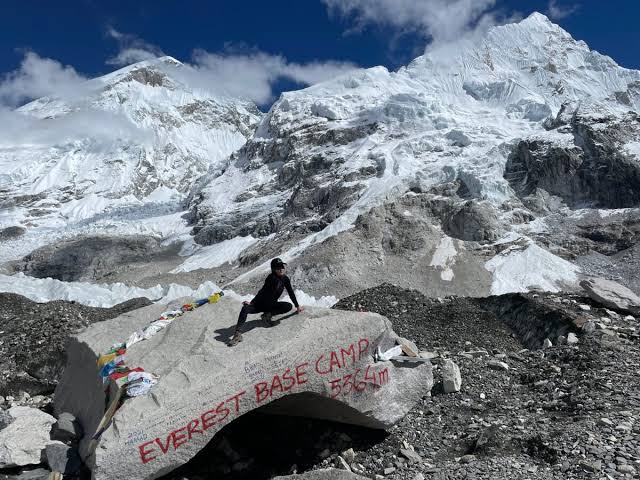
- Reach Everest Base Camp (5,364m)
Itinerary
Day 1: Arrival in Kathmandu
On your first arrival at Kathmandu, Tribhuvan International Airport, one of our representatives will be there to receive you. After being introduced to the staff, your baggage will be loaded in a car, coach or bus as per group size. Then after a short drive to the heart of Kathmandu City, where your hotel is located. Check-in to your nice rooms, refresh from the jet lag, then after prepare for a group briefing to meet other trekkers of the Everest Base Camp trek. In case if you arrive early in the afternoon or even before a few days, then you can tour some UNESCO World Heritage Sites of Kathmandu Valley and even short day hikes near Kathmandu Valley.
Max Elevation: 1,320 meters
Travel Distance: 6 to 8 kilometers
Travel Hours: 30 to 45 minutes
Accommodation: 3 Star Hotel
Meal Included: Welcome Dinner
Day 2: Kathmandu to Lukla (flight) and then Phakding
Day 3: Phakding to Namche Bazaar
Day 4: Namche Bazaar to Tengboche
Day 5: Tengboche to Dingboche
Day 6: Acclimatization day in Dingboche
Day 7: Dingboche to Lobuche
Day 8: Lobuche to Gorakshep
Day 9: Gorakshep – Everest Base Camp – Gorakshep
Day 10: Hike to Kala Patthar and Helicopter Flight to Kathmandu
Inclusion / Exclusion
Inclusion
- Pick up and Drop at Kathmandu Airport from private Car/jeep
- All Meals during the trek (Breakfast, Lunch & Dinner)
- Fruits served fresh in the evening after dinner time
- Teahouse/lodge accommodation during the trek
- Required Permits including Sagarmatha National Park Entry Permit and Khumbu Pasang Lhamu Rural Municipality Permit
- Domestic Flights (Kathmandu-Lukla-Kathmandu) including transfers and taxes
- Experienced and Licensed English Speaking Trekking Guide (Salaries, Food, Accommodation and Transport)
- Excellent Porter service (1 Porter per 2 trekkers, Salaries, Food, Accommodation and Insurance)
- Basic Medical Kit for emergency purposes
- Assistance with emergency helicopter evacuation (covered by the client's travel insurance policy)
- Trekking Equipment Support (Sleeping Bag, Down Jacket, Duffel Bag and Walking Poles if needed, returnable at the end of trek)
- T-Shirt of the company as souvenir
- Government Taxes and Official Charges
- Certificate of Trip completion upon successful completion of trek
- Oxygen Meter for daily Health Check
- Assistant Guide for Group Size of 8 trekkers onwards
Exclusion
- Breakfasts and lunches in Kathmandu
- Hotel accommodation in Kathmandu
- Nepal visa cost (USD 30 for 15 days, USD 50 for 30 days, and USD 125 for 90 days)
- Round-trip international airfares
- Personal travel and health insurance
- Personal spending during trekking
- Beverages and snack foods (tea, coffee, soft drinks, alcoholic beverages, water, etc.)
- Sweets such as chocolate, cakes, puddings, etc.
- Hot showers and charger for your devices at teahouses
- Tips to guide, porter, and driver
- Entry costs of monuments for sightseeing in Kathmandu (around USD 30 per person)
- Additional weight above 10 kg for Lukla flight
Check List
The following packing list will help you in understanding what to take on the trek and what not to. Proper packing plays a vital role in making your trip enjoyable, safe and convenient. Do not pack extra things as they can make the trekking more difficult.
General
- All season sleeping bag
- Down jacket
- Duffle bag
- Light windproof and waterproof jacket
- Day pack
Head, Ears and Eyes
- Warm hat covering ears
- Sunglasses (Ultraviolet protection)
- Buff or neck warmer
- Sunscreen lotion (SPF 35-60)
- Headlamp with extra batteries
Hands
- Gloves for walking (lightweight)
- Winter warm gloves (waterproof)
- Inner liner gloves (optional but recommended)
Upper Body Clothes
- Long sleeve t-shirts
- Thermal tops
- Warm fleece or wool jacket
- Sports bra (for women)
- Windproof and waterproof jacket
Bottom Clothes
- Thermal underwear (trousers)
- Windproof and waterproof trousers
- Trekking pants (warm)
- Hiking pants
- Causal sporty pants
Footwear
- Waterproof trekking boots (very important)
- Sandals for comfortable evenings
- Woolen socks (4-5 pair)
- Sock liners
- Shoes or sneakers (light)
First Aid and Medicines
- Adhesive dressings (plasters)
- Blister cream
- Anti-itch or insect repellent cream
- Pain relief such as ibuprofen
- Acetazolamide for altitude sickness (125 to 250 mg)
- Bandages, gauze and bandage materials
- Water purification tablets
Other Important Documentation and Miscellaneous
- 4 passport sized photos
- Passport original
- Water bottle and water purifier
- Printout of flight information
- Toiletries (toilet paper, soap, wet wipes, towels)
Extra Useful Items
- Trekking poles
- High energy foods/dry foods
- Power bank and charging cable
- Camera and spare batteries/extra memory cards
- Entertainment devices/Music player
Trip FAQs
-
What is the EBC with Helicopter Return Trek?
The EBC with Helicopter Return Trek is a 10 days adventurous journey that takes you through trekking to EBC (5,364 meters) starting from Lukla, Namche, and Gorakshep to come back to Kathmandu by helicopter. It offers both trekking experience and helicopter ride during your Everest trip. -
How difficult is Everest Base Camp with helicopter return trek?
Everest Base Camp with helicopter return trek is a moderate to challenging trip depending upon the altitude and walking day of this trail. It has steep uphill trail, rocky path, and low oxygen level above 3,500 meters. But helicopter return makes it easy by avoiding 4 to 5 days downhill trekking to Lukla. -
What is the maximum altitude that can be attained in this expedition?
The highest point in the expedition is Kala Patthar, which is 5,545 meters above sea level and gives the best views of Mount Everest. On the other hand, the Everest Base Camp is at an elevation of 5,364 meters. It is recommended to be properly acclimatized before moving up to Namche Bazaar and Dingboche. -
Is there any chance of getting altitude sickness during this trek?
Yes, there is a high probability of suffering from altitude sickness since the altitude of the trek will exceed 3,000 meters soon after Lukla. The symptoms of altitude sickness may include headaches, nausea, and tiredness. There are acclimatization days and slow ascending in the itinerary that reduces the risk of altitude sickness; especially in Namche Bazaar and Dingboche. -
What is the best time for the helicopter return trek from EBC?
The best seasons are the spring season (March to May) and the autumn season (September to November). At these times, you will have clear sky and stable weather as well as great mountain views. It is much safer to travel in a helicopter at these times, as you may have problems traveling in winter and during the monsoon season due to the weather. -
How safe is the helicopter return from Everest Base Camp?
Helicopter trips back to Everest Base Camp are safe and handled by certified pilots who are skilled at flying in high altitudes. Trips will depend on the weather situation and level of visibility. If the conditions are not safe for flight, trips are postponed. -
Do I need prior trekking experience for this trek?
No previous trekking experience is mandatory, but having good physical fitness is compulsory. Those starting for the first time and able to hike for 5 to 7 hours a day along with climbing altitudes can do this trek. Training before the trip, such as hiking or cardio workouts, is highly recommended.
All Inclusive Cost
BOOK NOW QUICK ENQUIRY- Best Price Guarantee
- Hassle-Free Booking
- Team of highly experienced Experts
You may also like !!
Our Best Selling Packages You May Like.