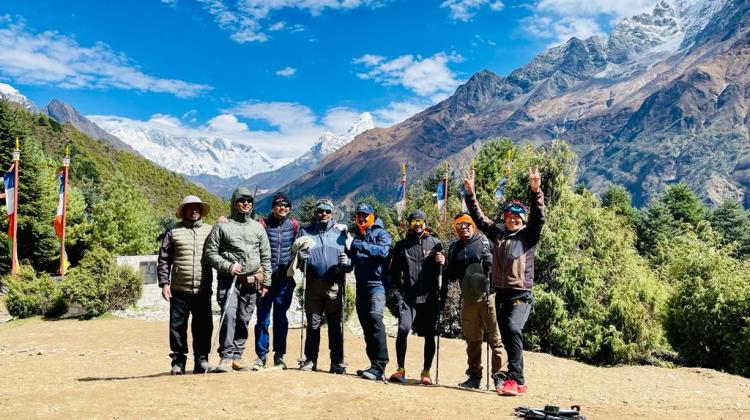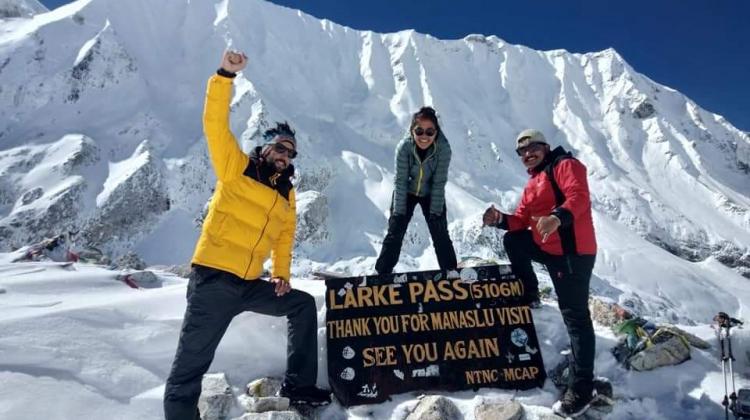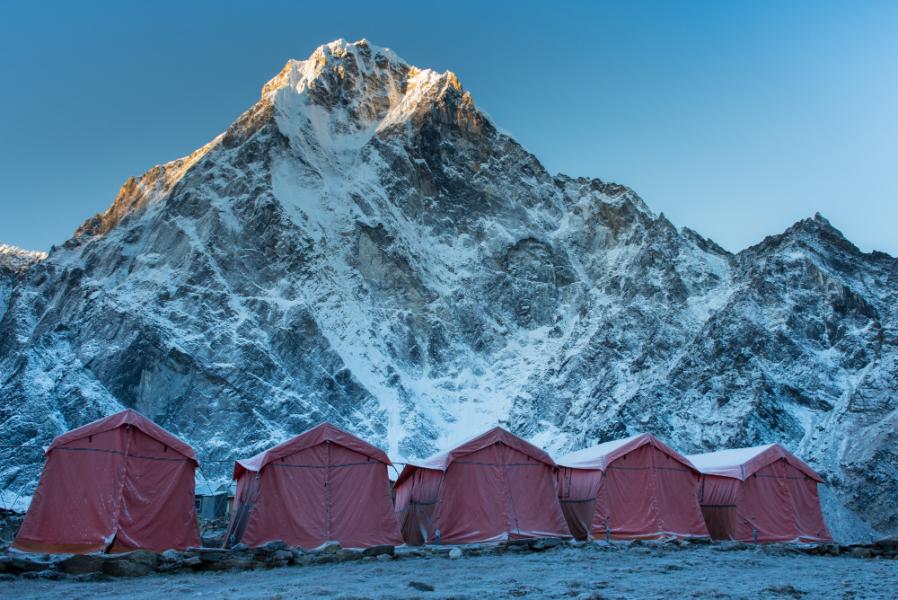
Everest Base Camp Trek with Overnight at Everest Base Camp – 13 Days
Overview
What to Expect on Everest Base Camp Trek
The Everest Base Camp Trek is a trek into the high altitude terrain of the Khumbu region of Nepal that runs deep within the confines of Sagarmatha National Park. It's a blend of the physical, the natural and the cultural. The trekkers proceed through mountain villages and suspension bridges, and through forests and glacier landscapes, meanwhile gaining altitude every day. Due to lower concentrations of oxygen in elevation, it is important to acclimatize and go slowly higher and higher. You will also get basic mountain living in teahouses, catering for basic but sufficient food and accommodation for the trekker.The following are some of the reasons to look forward to:
- High altitude conditions: The trek goes above 5,000 meters, so altitude sickness can be a risk if you move too fast.
- Long walking days: Daily trekking usually ranges from 5 to 8 hours on uneven mountain trails.
- Basic accommodation: Teahouses offer basic rooms with shared facilities, in particular, at the higher elevations.
- Weather changes rapidly: Temperatures above Namche Bazaar and beyond can change rapidly.
- Stunning views of the mountains: Clear views of Everest, Lhotse, Ama Dablam, Nuptse and more peaks all along the route.
- Physical challenge: There is no technical climbing required, but good fitness helps a lot.
- Cultural experience: Interaction with Sherpa people, Monasteries, prayer flags and traditional way of living in the Himalayas.
Extra Highlights of the Everest Base Camp Trek
The Everest Base Camp Trek offers more than just reaching the base of the world’s highest mountain. It is a complete Himalayan experience filled with high altitude views, glacier crossings, and cultural highlights. As you move higher each day, the environment changes quickly; making the experience both challenging and rewarding.Key Highlights:
-
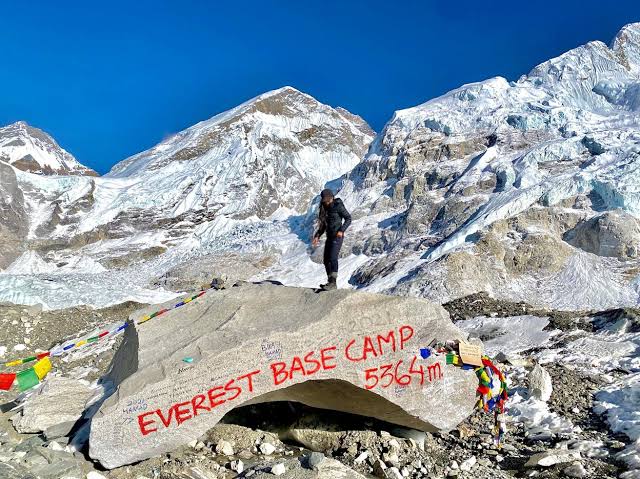
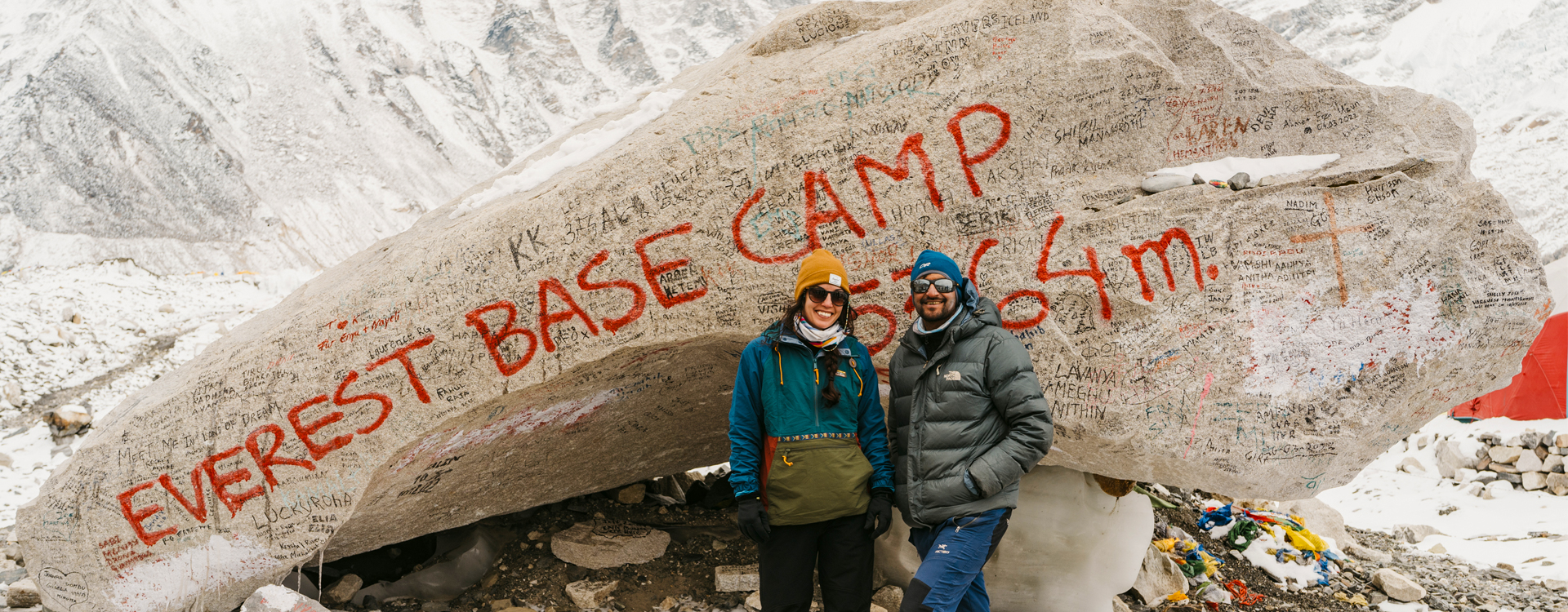
Experience the Khumbu Icefall and huge glacier landscape from Everest Base Camp, with overnight stay at the base camp
-
Scenic Up Close shots of the Khumbu Glacier and the ice formations at Gorakshep and Base Camp
-
Memorial site at Thukla Pass for those who died in the Everest region
-
Beautiful high elevation views from Lobuche to Gorakshep with plenty of open space
-
Peaceful early morning atmosphere at Everest Base Camp after the day hikers leave
-
The adventure of remote mountain settlement experience at Gorakshep, one of the highest teahouse villages in the world
-
Gradual shift from green valleys to alpine barren areas with increasing elevation
-
Opportunity to experience extreme altitude above 5000meters for multiple days
Best Time for the Everest Base Camp Trek
The best time to go on the Everest Base Camp Trek is in the spring and autumn months; when the weather is more settled and mountain views are more clear. These seasons are a good time to trek, with lower risks of avalanches, more pleasant weather, and even better visibility to view the Himalayan peaks. Selecting the correct season is extremely crucial not only for safety, but also for the whole trekking experience itself.Accommodation and Meals on Everest Base Camp Trek:
Simple accommodations and fresh meals are provided on the Everest Base Camp Trek. Tea houses on the way provide a comfortable stay point after each trekking day while Kathmandu provides comfortable hotel accommodation before and after the trek. The food served is simple but filling and suitable, for trekking in the high altitude.Key accommodation and meals features:
- Teahouse accommodation with twin sharing facilities all along the trekking route
- Comfortable hotel accommodation in Kathmandu before and after the trek
- Facilities become more basic in high altitudes like Lobuche, Gorakshep, and EBC
- Dining halls are available in all trekking villages for having meals
- Three meals per day including breakfast, lunch, and dinner will be served
- Common meals are dal bhat, noodles, rice, potato, pasta, eggs, and soups
- Tea, coffee, and other hot beverages are provided in most tea houses on the trail
- Special dietary needs can be accommodated if informed before
Everest Base Camp Trekking: Why is it Popular?
Everest Base Camp Trek is considered the most famous trekking trail in the world since it allows trekkers to get closer to Mount Everest; which is the highest peak in the world. It is a thrilling trek with adventure, nature, and cultural experiences in an established trekking route in Nepal. The trek itself is challenging but no technical climbing skills are required.Major Reasons for Popularity:
- Close Approach to the world's highest peak Mount Everest (8848.86meters)
- Combination of adventure, mountain view, and Sherpa culture along the way
- Passes through traditional villages with its monasteries, forests and alpine landscapes
- Exciting mountain flight to Lukla Airport (one of the most exciting mountain flights in the world)
- A good teahouse facility with food and lodging along the way
- During the trek, you can enjoy the views of the iconic peaks such as Everest, Lhotse, Ama Dablam, and Nuptse.
- Opportunity to hike to Everest base camp without technical climbing at 5364meters
Cultural Experiences During the Everest Base Camp Trek
The Everest Base Camp Trek is not only about mountains; but it is also about the rich cultural aspects of the Sherpa people. As you move through the Khumbu valley, you pass traditional villages where life is closely connected to Buddhism and mountain traditions. The trip allows you to discover a part of this region's culture, monasteries, and village life along the trail.Key Cultural Experiences:
- Experience Sherpa life by traveling through Sherpa villages, such as Namche Bazar, Dingboche and Tengboche.
- Meet Buddhist symbols (monasteries, prayer flags, mani walls and stupas) on the trekking route.
- Visit Tengboche Monastery and if time allows, watch prayer ceremonies.
- Join the local families and sleep in the teahouse with Sherpa's hospitality.
- Learn about mountaineering history and the important role of Sherpas in Everest expeditions.
Altitude and Acclimatization on the Everest Base Camp Trek
The Everest Base Camp Trek is a high altitude trek that starts from an altitude of 1,350 meters in Kathmandu to an altitude exceeding 5,300 meters in Everest Base Camp. The higher the altitude gets, the lower the oxygen level drops and thinner the atmosphere become, which makes walking more difficult. Because of this, acclimatization becomes very crucial for your health and safety in the trek.Key Points on Altitude and Acclimatization
- The trek moves up from 1,350 meters to 5,300 meters in Everest Base Camp
- Oxygen levels decrease with increasing altitude, making it difficult to breathe
- Acclimatization days at Namche Bazaar and Dingboche
- Short hikes on acclimatization days help the body, to adjust to the higher altitude
- Walk at a moderate pace and do not over-exert yourself
- Staying hydrated will you to help avoid altitude sickness
Trekking Difficulty of Everest Base Camp Trek
The Everest Base Camp Trek is considered a moderate to difficult trek; but requires to have good physical fitness and preparation. No technical climbing skills are needed, however, long walking periods and altitude will make it challenging. The main challenge comes from the decreased oxygen supply at the height above 5,000 meters.Main Points about Difficulty:
- Considered a moderate to difficult trek in Nepal
- Technical mountaineering skills are not necessary
- Trekking normally takes between 5 to 8 hours daily on rough ground
- Breathing becomes more difficult due to altitude above 5,000 meters
- Steep rock uphill and downhill trails which might be tiresome
- Weather in the Himalayas may become unpredictable and affect trekking
Permits Needed for Everest Base Camp Trekking
In order to trek in the Everest region, you need to get some permits from the government of Nepal. These permits are required for entry into the protected regions as well as keeping record of the trekking process in the Khumbu region. Normally, most of the trekking companies manage to arrange the permits in advance for their customers. However, it is important to know the permits required and their basic costs.- Sagarmatha National Park Permit: A must have while entering into the area of Everest, which costs around NPR 3,000. This can be obtained from Kathmandu, or it will be checked at Monjo.
- Khumbu Pasang Lhamu Rural Municipality Permit: It is compulsory for any trekking in Khumbu, which costs around NPR 2,000, and it is available at Lukla/Monjo checkpoints.
Travel Insurance for the Everest Base Camp Trek
It is very crucial to have insurance for the Everest Base Camp Trek as this trek involves high altitude trekking in a remote mountain area. The medical facilities in this region are limited, so having insurance helps to cover any emergencies related to illnesses or injuries. In most cases, trekking companies requires insurance before starting a trek; as it gives trekkers safety and peace of mind while traveling in the Himalayas.- Coverage for High Altitude:It is important that your insurance provides coverage for trekking up to at least 5,500 to 6,000 meters as the base camp of Everest is at an altitude of 5,364 meters. This is essential for medical safety in case of altitude sickness or emergencies.
- Helicopter Rescue and Evacuation:The insurance package should cover helicopter evacuation from remote areas such as Gorakshep or Everest Base Camp. This is one of the key elements of the insurance plan because of the limited road access in that area.
- Coverage of Medical Costs:The insurance plan must include coverage for hospitalization, consultation of physicians, and emergencies relating to health and injuries during the trek.
- Cancellations and Flight Delays Coverage:An insurance plan will be considered good if it includes flight delays, especially Lukla flights, cancellations, or loss of luggage, which are common in mountain travel.
- Estimated Cost of Insurance:Insurance cost for Everest Base Camp Trek is estimated to be between USD 100 and USD 250 based on the traveler’s nationality, age, and insurance coverage level. The insurance cost increases if you choose higher coverage or longer insurance period.
- Where to Get Insurance: You can get travel insurance from international insurance companies operating in your home country or online before coming to Nepal. There are many insurance companies that provide trekking insurance packages for Himalayan expeditions.
Why Trek with Nepalaya Treks?
Selecting the right trekking company is an essential step, that contributes greatly towards ensuring a safe, comfortable, and pleasant experience on the Everest trek. Nepalaya Treks has specialized in offering expert local guides; a carefully planned schedule for all trekkers, and customized attention from the beginning of the tour until the end. We have planned each journey to make it possible for trekkers to experience the Himalayas with ease.- Travel in a group of trained and licensed guides with a good knowledge of the Everest region, culture, weather and high altitude trekking.
- Well planned trekking route including acclimatisation days to minimize altitude hazards and enhance the trekking experience.
- Smaller groups provide greater interaction with the guides, a comfortable trekking speed, and individualised assistance.
- Take up lodging in well-chosen local mountain teahouses with clean rooms, hospitable service and delicious local cuisine.
- Be assisted at the airport upon arrival and until you leave, with permissions, flights, accommodation and logistics.
- The journey is planned to be safe with daily health monitoring, emergency plans and expert staff.
- No hidden fees, no hidden inclusions and professional service since the start of your trip.
Why Choose This Itinerary?
This 13 day tour has been specifically planned for the trekkers who like to have an complete experience of Everest including one-night stay at the base camp of Everest. Proper acclimatization days have been planned into the itinerary to minimize the impacts of altitude and still make enough time for the trip. The tour itinerary involves the classic trail of Everest and includes all the important highlights of Khumbu region.- Spend a unique night at Everest base camp and enjoy a quiet night in the mountains after the majority of trekkers have departed.
- Your body gradually gets used to the higher altitude over two acclimatisation days.
- Visit Everest Base Camp and trek to Kala Patthar, and see the iconic Sherpa villages on the classic trek.
- Walking distances per day are planned to allow for sufficient trekking, sightseeing and rest.
- Stay at local mountain teahouses while on the trek and a comfortable hotel in Kathmandu.
- Ideal for the trekker who wants something different from the ever so popular Everest Base Camp Trek.
Safety on the Everest Base Camp Trek with Overnight at Everest Base Camp
Your safety is important for us at all times during this journey. The route is planned with a gradual increase in altitude and acclimatization days for you to get adjusted to the environment naturally. Our guides keep a close watch on your health at all times and know how to deal with altitude conditions.- Our professional licensed guides are trained in mountain safety, first aid, and how to treat altitude sickness.
- Oxygen saturation and heart rate are checked regularly using a pulse oximeter during the trek.
- The trip has scheduled acclimatization days to minimize the effects of Acute Mountain Sickness (AMS) and alleviate risk.
- Guides are trained to have a full First Aid kit and are responsible for coordinating emergency helicopter evacuation as needed.
- The schedule for trekking may be modified in case of inclement weather or if any member of the group is unwell.
- Throughout the way, guides give tips on staying hydrated, how to walk too fast and how to be aware of altitude.
Responsible Tourism
We feel that it is important to ensure that tourism does good for both the travelers and the people living in the region while also preserving the beauty of the Himalayan mountains. We promote responsible travel by respecting local customs and traditions, being careful not to leave any garbage, and supporting local companies.- Stay in tea houses locally owned and utilize the services that will be of direct economic benefit to the families in the Everest area.
- Engage with professional guides and porters and provide employment to the mountain people.
- Ensure that all wastes are disposed of properly and have no adverse effect on the environment during the course of your trek.
- Maintain local traditions and show respect at the monasteries and local villages.
- Promote the reuse of water bottles or water purifiers, rather than using a plastic bottles.
Group Size
This trek is ideal for solo adventurers, couples, families, and even the big groups. Smaller groups will have more freedom and more chances to interact with their guide, whereas bigger groups will be offered extra help by other members of the team.- Solo travelers can join the scheduled trips and interact with other trekkers from different countries.
- Small groups have the privilege of enjoying a leisurely pace in trekking with better guide attention.
- There will be assistant guides for larger groups for proper coordination and security.
- An experienced porter transports the baggage of each trekker, making trekking comfortable for them.
- You can choose from group departures or private trips according to your itinerary.
Equipment Rental Information
You do not have to purchase all your trekking equipment before arriving in Nepal. There are many options available when it comes to renting the necessary trekking equipment, which is very economical for tourists who do not undertake treks on a regular basis. Nepalaya Treks also supplies some of the trekking equipment as part of the package, enabling you to carry light baggage. We can assist you in choosing appropriate trekking equipment, depending on the season of trekking.- High-quality trekking gear is available for rent at affordable daily charges or charges per expedition in Kathmandu.
- Down jacket, sleeping bag, duffel bag, and trekking pole are provided through Nepalaya Treks that need to be returned after your trekking.
- You can see and try out these items before the trek, as per your expedition to make sure that everything suits you.
- Our team will recommend you suitable clothing and gears depending upon the seasons and weather conditions.
- Renting equipment makes your bags lighter and helps you to avoid the hassle of carrying bulky items while traveling internationally.
- In case you have any confusion about what to pack and what to hire, we will provide you with an extensive list of your packing needs.
Benefits of Private Departure
Private Treks are great for individuals who want to be flexible and have a more personalized trekking experience. Rather than going with a set group, you may choose to go with your family, friends; or even a privately arranged group on any dates convenient to you. This makes it possible to take the trek at your own pace, while getting personalized attention from your guide and trekking team.- Do not wait for official departure dates, begin the journey from any time that suits your holiday for the best.
- Take your time, relax and enjoy the surroundings; walk at own pace and comfort.
- Have dedicated attention from your guide, making for an organized more comfortable and enjoyable trekking experience.
- Ideal for families, couples, friends, photographers, and people who like to trek with friends.
- There is always the possibility of making minor changes to the schedule, which may include an extra night or some other arrangement, depending on your wishes.
- Private departures are possible in any of the trekking seasons depending on the flight schedule of Lukla flights, availability of accommodation and the weather.
Trip Highlights
- Enjoy peaceful evenings at Everest Base Camp
- Witness the Khumbu Icefall up close
- Spot Himalayan wildlife
- Experience authentic Sherpa culture
- Enjoy panoramic views of Everest, Lhotse, Nuptse, Ama Dablam, Pumori, and Thamserku
- Walk alongside glaciers and moraines
- Cross iconic suspension bridges
- Visit Tengboche Monastery
- Acclimatize in Namche Bazaar
- Explore traditional Sherpa villages
- Trek through Sagarmatha National Park
- Scenic flight to and from Lukla
- Sunrise hike to Kala Patthar
- Overnight camping at Everest Base Camp
Itinerary
Day 1: Arrival in Kathmandu and Transfer to Hotel
Max Elevation: 1,350 meters (Kathmandu)
Travel Distance: 6 to 8 kilometers
Travel Time: 20 to 30 minutes
Accommodation: 3 Star Hotel
Meal Included: Welcome Dinner
Day 2: Fly to Lukla from Kathmandu and Trek to Phakding
Day 3: Trek to Namche Bazaar
Day 4: Acclimatization Day at Namche Bazaar
Day 5: Trek on to Tengboche from Namche Bazaar
Day 6: Trek to Dingboche from Tengboche
Day 7: Acclimatization Day at Dingboche
Day 8: Trek to Lobuche from Dingboche
Day 9: Trek to Gorakshep and Continue to Everest Base Camp and Back to Gorakshep (Overnight at Everest Base Camp)
Day 10: Early morning at Everest Base Camp, Trek Back to Gorakshep, Hike to Kala Patthar, Then Descend to Pheriche
Day 11: Trek to Namche Bazaar
Day 12: Trek to Lukla from Namche Bazaar
Day 13: Fly Back to Kathmandu
Inclusion / Exclusion
Inclusion
- Private transfer from the airport to the hotel in Kathmandu
- Two nights accommodation in Kathmandu in a standard twin sharing room with breakfast
- Breakfast, lunch, and dinner three meals a day during the trek
- Teahouse/lodge accommodation throughout the trek
- Entry permits of Sagarmatha National Park and Khumbu Pasang Lhamu Rural Municipality
- Round flight ticket of Kathmandu to Lukla return ticket from Kathmandu and airport transfer including domestic airport tax
- Experienced and licensed English speaking government trekking guide with salary, accommodation, meals, transportation and insurance
- Sherpa porter service which is very reliable and strong (one porter shared between two trekkers) salary, meal, accommodation, gear, and insurance
- First aid kit carried by the trekking team
- Emergency Helicopter evacuation support (evacuation fee will be covered through your travel insurance)
- Sleeping bag, down jacket, duffel bag, trekking pole use (return the items after the trek)
- Taxes and service charge of the government
- Checking daily oxygen saturation level and pulse of trekking team members with oxygen meter
Exclusion
- Entry visa cost for Nepal (available upon arrival at Kathmandu International Airport)
- Travel insurance and health insurance
- International flights to and from Nepal
- Personal spending on purchases, laundries, and telephone
- Alcohol and other refreshments like tea, coffee, hot chocolate, soft drinks, bottled water, and other beverages bought during the hike
- Additional food items like snacks, sweets, chocolates, cakes, pies, and puddings
- Charges for hot showers and electricity recharge in mountain lodges
- Tips to be paid to the guide, porters, and driver
- Excess baggage charge on luggage weight above the domestic flights limit
- Any additional cost due to any delay or disaster during the trip
Check List
General Equipment
- All season sleeping bag
- Down jacket
- Duffle bag
- Windproof and waterproof jacket
- Day pack (25 to 35 liters)
- Trekking poles
Head, Face & Eye Protection
- Warm hat with ear flaps
- Sun hat or cap
- UVA and UVB protected sunglasses
- Buff or neck warmer
- Sunscreen lotion (SPF 35 to 60)
- Lip balm with sunscreen
- Head torch with extra batteries
Hands Protection
- Light trekking gloves
- Insulated gloves
- Waterproof outer gloves (for colder season)
Upper Body
- Moisture management long-sleeved trekking t-shirts
- Thermal tops
- Fleece top or woolen pullover
- Down jacket
- Waterproof and windproof shell top
- Sports bra (for ladies)
Lower Body
- Thermal underwear or long thermal leggings
- Trekking pants
- Waterproof and windproof pants
- Warm fleece or insulated pants
- Casual pants to use in the evening at lodge
Footwear
- Waterproof trekking boots with ankle support
- Light walking shoes or sneakers
- Sandals or slippers
- 4 to 5 pairs of trekking socks
- Woolen socks for cold days
- Sock liners (optional)
Personal First-Aid & Prescribed Medication
- Personal prescribed medicine
- Band aids
- Blister kit or moleskin
- Pain killer medicine
- Diamox (in case of high altitude mountain sickness, under the advice of your doctor)
- Water purification tablets
- Anti-septic cream
- Insect bite cream
Important Documents
- Original passport
- Four passport-sized photos
- Documents for travel insurance
- Details regarding flight and copies of important documents
- Contact information in case of emergencies
Toiletries and Personal Effects
- Toothbrush and toothpaste
- Eco-friendly soap
- Small towel
- Wet napkins
- Hand sanitizers
- Toilet paper
- Zip lock bags
Electronics
- Portable power bank
- Cell phone and charger
- Camera and additional accessories
- Extra batteries and memory cards
- Universal travel adapter
- Re-useable water bottle or hydration pack
- Water purifier or water purification tablets
- Snacks like energy bars, nuts, chocolates, etc.
- Optional items
- Notebook or diary
- Cards to play games or any travel games
- Music player or headphones
- Book or E-reader
Trip FAQs
-
Can beginners do the Everest Base Camp Trek with an overnight stay at Base Camp?
Yes, as long as the person is relatively fit, this trail can be done even by beginners. The itinerary involves some days for acclimatizing in Namche Bazaar and Dingboche, which helps your body adjust to the higher altitudes. Regular walking, jogging, and hiking before the trek, can make the trek more comfortable and enjoyable. -
What is it like to spend a night at the base camp of Everest?
Spending a night at Everest Base Camp is a unique experience that very few trekkers get to enjoy. After all visitors go back down from the base camp, the surroundings become extremely peaceful. You can enjoy the glacier views, watch sunset on surrounding mountains, and even get to experience the feeling of the atmosphere of the world-famous base camp. -
How challenging is the Everest Base Camp Trek with overnight camping?
The trek is considered as moderately challenging due to its high altitude but not due to the trekking trail itself. Mostly during the trek, you need to walk for 5 to 8 hours daily. No technical climbing skills are needed for the trek but you need to be ready for steep sections, colder climate conditions, and thinner air as you reach Everest Base Camp. -
When is the best time to do the Everest Base Camp Trek?
This trek can be done during spring (March - May) and autumn (September - November). Both of these seasons offers clear views of mountains, stable weather, and comfortable trekking temperatures. During spring, rhododendrons will bloom, while during autumn you get to enjoy great visibility and beautiful scenery of the mountain. -
Is there a chance of getting altitude sickness during this trek?
Yes, altitude sickness can affect anyone, regardless of age and physical condition. This trek includes acclimatization days, to help reduce the risk of the altitude related emergencies during the trek. Walking slowly, drinking enough water, eating properly, and listening to your guide are some of the ways, that will help you to stay healthy at high elevations. -
Do I need to have travel insurance for the Everest Base Camp Trek?
Yes, travel insurance is strongly recommended, and sometimes it is even required by the trekking companies; as it helps to cover unexpected situations. The travel insurance policy must include coverage; for high altitude treks, medical treatment in case of emergencies, and rescue services such as helicopter evacuation. Emergency situations can become costly in the Everest region.
All Inclusive Cost
BOOK NOW QUICK ENQUIRY- Best Price Guarantee
- Hassle-Free Booking
- Team of highly experienced Experts
You may also like !!
Our Best Selling Packages You May Like.