Everest Sherpa Village Trek – 9 Days
Overview
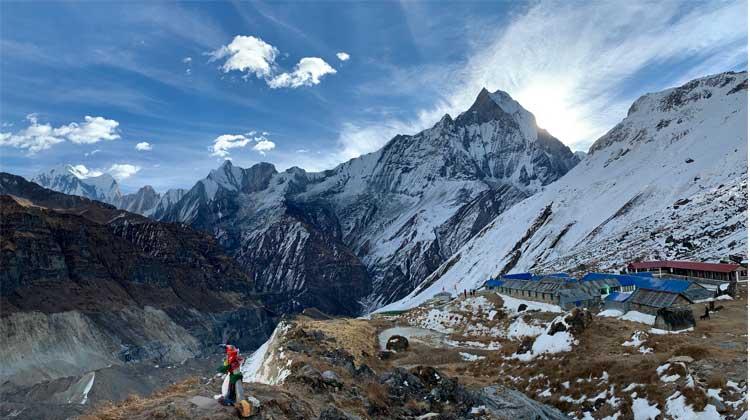
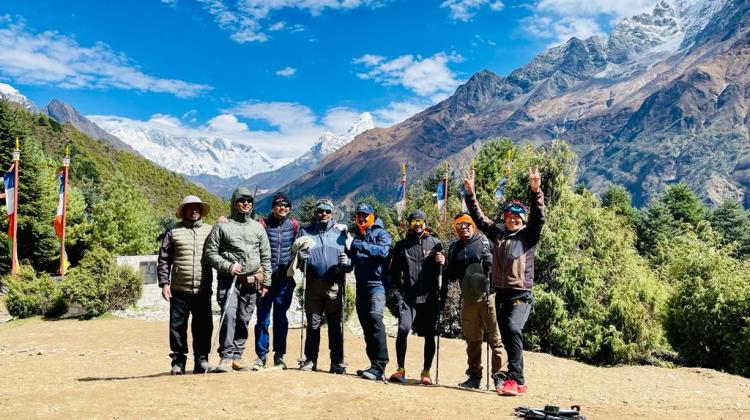
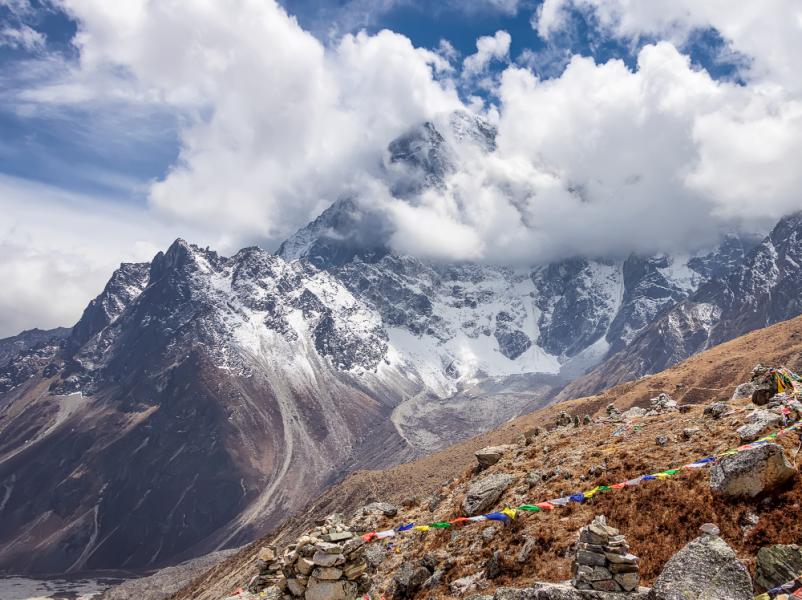
The Everest Sherpa Village Trek is a 9-day adventure that offers a unique opportunity to explore the cultural heart of Nepal's Khumbu region, home to the legendary Sherpa people. This trek introduces travelers to traditional mountain villages where ancient Buddhist traditions, colorful monasteries, and centuries-old customs are still part of everyday life. Along the journey, you can explore Namche Bazaar, the vibrant trading hub of the Everest region, the famous Tengboche Monastery, and the peaceful village of Khumjung, known for its monastery, Sir Edmund Hillary School, and the legendary Yeti scalp. The trek also passes through Sagarmatha National Park, a UNESCO World Heritage Site that protects rare Himalayan wildlife, alpine forests, and breathtaking mountain landscapes. With a maximum altitude of 3,867 meters, it provides spectacular views of Mount Everest, Lhotse, Ama Dablam, and other iconic peaks while offering a comfortable trekking experience. It is an excellent choice for anyone interested in Sherpa culture, Himalayan history, and the natural beauty of the Everest region.
What to Expect on Everest Sherpa Village Trek
The Everest Sherpa Village Trek is more than just a mountain walk, it is an opportunity to experience the lifestyle, traditions, and natural beauty of the Khumbu region. The trek follows well-maintained trails, passes through welcoming Sherpa communities, and offers a comfortable pace with enough time for acclimatization. Expect changing landscapes, fresh mountain air, and a memorable cultural experience throughout the journey.- Trek at a moderate pace with daily walks of 4 to 7 hours.
- Basic but clean teahouse accommodation with shared facilities.
- Cool mornings and evenings, with pleasant daytime temperatures during the main trekking seasons.
- Safe drinking water can be purchased or purified using tablets or filters.
- Plenty of opportunities to interact with local Sherpa families and learn about their traditions.
- A lower risk of altitude sickness compared to longer Everest treks, thanks to the moderate maximum elevation and acclimatization day.
- A peaceful trekking experience away from the higher-altitude crowds of the Everest Base Camp route.
Extra Highlights of the Everest Sherpa Village Trek
Beyond the spectacular mountain views and famous landmarks, the Everest Sherpa Village Trek offers many small experiences that make the journey even more memorable. From local traditions and historic sites to peaceful trails and unique wildlife, every day brings something new to discover. These additional highlights add depth to the trek and provide a more meaningful connection with the Everest region.- Visit the Sherpa Culture Museum in Namche Bazaar to learn about the history and traditions of the Sherpa people.
- Explore the Everest Photo Gallery, showcasing the region's mountaineering history and stunning Himalayan photography.
- See traditional mani walls, prayer wheels, and colorful Buddhist chortens along the trekking trail.
- Visit the historic Khumjung Monastery, famous for displaying the legendary Yeti scalp.
- Explore the Sir Edmund Hillary School, established to support education in the Khumbu region.
- Learn about Buddhist customs by watching monks perform daily prayers and rituals in local monasteries.
- Capture stunning sunrise and sunset photography with snow-capped Himalayan peaks as the backdrop.
- Experience the warm hospitality of local Sherpa families while staying in family-run mountain teahouses.
Best Time for the Everest Sherpa Village Trek
The Everest Sherpa Village Trek can be completed throughout most of the year, but the experience varies with each season. Spring and autumn are considered the best times because they offer stable weather, clear mountain views, and comfortable trekking conditions. However, each season has its own unique charm, whether it's blooming forests, lush greenery, or peaceful snow-covered landscapes.- Spring (March–May): Clear skies, pleasant temperatures, blooming rhododendrons, and excellent mountain views.
- Summer/Monsoon (June–August): Lush green landscapes, fewer trekkers, occasional rainfall, and possible flight delays.
- Autumn (September–November): Stable weather, dry trails, crystal-clear views, and ideal trekking conditions.
- Winter (December–February): Quiet trails, snowy scenery, clear mountain views, and cold temperatures.
Accommodation and Meals on Everest Sherpa Village Trek
The Everest Sherpa Village Trek provides comfortable accommodation and nutritious meals, ensuring you have a pleasant stay throughout the journey. While the facilities are simple in the mountains, the warm hospitality of local teahouse owners makes every stop enjoyable. Staying in traditional lodges also offers a great opportunity to experience the lifestyle of the Sherpa community.- Overnight accommodation in family-run mountain teahouses during the trek.
- Twin-sharing rooms with clean beds, blankets, pillows, and mattresses.
- Shared bathrooms are common, with attached bathrooms available at some lower-altitude lodges.
- Comfortable dining halls with heating stoves, where trekkers gather to eat and relax.
- Three freshly prepared meals each day (breakfast, lunch, and dinner) are included during the trek.
- Enjoy a variety of Nepali, Sherpa, Tibetan, and continental dishes prepared using locally available ingredients.
- Vegetarian meals are widely available, and special dietary requirements can often be accommodated with advance notice.
- Tea, coffee, snacks, bottled water, hot showers, Wi-Fi, and battery charging are available at most teahouses for an additional cost.
- Electricity is available throughout most of the trek, although charging electronic devices may require a small fee.
Everest Sherpa Village Trek :Why is it Popular?
The Everest Sherpa Village Trek is popular because it offers the beauty of the Everest region without the longer duration and higher altitude of the Everest Base Camp Trek. It combines breathtaking Himalayan scenery, rich Sherpa culture, and a comfortable trekking experience, making it suitable for a wide range of travelers.- A shorter Everest trek that can be completed in just 9 days.
- Lower maximum altitude (3,867 meters) with a reduced risk of altitude sickness.
- Perfect for beginners and trekkers with limited time.
- Opportunity to experience authentic Sherpa culture and traditions.
- Visit famous destinations like Namche Bazaar, Tengboche Monastery, and Khumjung Village.
- Spectacular views of Everest, Lhotse, Ama Dablam, Thamserku, and other Himalayan peaks.
- Trek through Sagarmatha National Park, a UNESCO World Heritage Site.
- Comfortable teahouse accommodation with warm local hospitality.
- Well-maintained trails with moderate trekking difficulty.
- A great alternative to the Everest Base Camp Trek for those seeking a cultural and scenic Himalayan adventure.
Cultural Experiences During the Everest Sherpa Village Trek
The Everest Sherpa Village Trek offers a wonderful opportunity to experience the traditions and daily life of the Sherpa people. As you travel through the Khumbu region, you'll gain a deeper understanding of their culture, Buddhist beliefs, and the strong connection they share with the mountains.- Learn how the Sherpa community has adapted to life in the high Himalayas.
- Experience the warm hospitality and welcoming nature of local families.
- Observe traditional farming practices and yak herding in mountain villages.
- Discover the importance of Buddhism in everyday Sherpa life.
- See beautifully carved mani stones, prayer wheels, and Buddhist symbols along the trails.
- Taste authentic Sherpa dishes and locally prepared mountain meals.
- Learn about local festivals, customs, and traditional mountain celebrations.
- Experience the peaceful lifestyle of remote Himalayan communities away from city life.
- Understand the deep respect Sherpas have for nature and sacred mountains.
- Gain insight into the history of mountaineering and the Sherpa people's contribution to Everest expeditions.
Altitude and Acclimatization on the Everest Sherpa Village Trek
The Everest Sherpa Village Trek reaches a maximum altitude of 3,867 meters at Tengboche, making it a lower-altitude alternative to the Everest Base Camp Trek. Although the risk of altitude sickness is lower, proper acclimatization and a gradual ascent are still important for a safe and enjoyable trekking experience.- The maximum altitude reached is 3,867 meters (Tengboche).
- A dedicated acclimatization day is included in Namche Bazaar (3,440 meters).
- The itinerary follows a gradual ascent to help your body adjust naturally.
- Stay well-hydrated by drinking plenty of water throughout the trek.
- Walk at a steady, comfortable pace and avoid rushing at higher elevations.
- Eat nutritious meals and get enough rest each day to support acclimatization.
- Be aware of mild altitude sickness symptoms such as headache, fatigue, or loss of appetite.
- Experienced guides regularly monitor your health and provide assistance if needed.
- A pulse oximeter is used to check oxygen saturation and heart rate during the trek.
- Emergency helicopter evacuation can be arranged if required and is covered by valid travel insurance.
Trekking Difficulty of Everest Sherpa Village Trek
The Everest Sherpa Village Trek is a moderate trek that is suitable for most people with a good level of fitness. You don't need any climbing skills or previous trekking experience, but you should be comfortable walking for several hours each day. With a well-planned itinerary and enough time to acclimatize, the trek is both enjoyable and manageable.- The trek is rated as moderate in difficulty.
- Walk for about 4 to 7 hours each day.
- No technical climbing or mountaineering experience is needed.
- The trails include forest paths, stone steps, and suspension bridges.
- The highest point is 3,867 meters, making it easier than the Everest Base Camp Trek.
- A reasonable level of fitness is recommended.
- The itinerary includes an acclimatization day to help your body adjust to the altitude.
- Guides and porters are available throughout the trek for support.
- Walking or light exercise before the trip can help you enjoy the trek more.
- Suitable for beginners, families with older children, and anyone looking for a shorter Everest adventure.
Permits Needed for Everest Sherpa Village Trek
To enter the Everest region, every trekker must obtain the required trekking permits. These permits help protect the natural environment, support local communities, and allow access to the trekking trails. Nepalaya Treks will arrange all the necessary permits before your trek begins.- Sagarmatha National Park Entry Permit: This permit is required to enter Sagarmatha National Park, a UNESCO World Heritage Site that protects the Everest region's mountains, forests, wildlife, and trekking trails. The permit costs NPR 3,000 (USD 25) per person for foreign nationals.
- Khumbu Pasang Lhamu Rural Municipality Permit: This local permit is required for all trekkers visiting the Khumbu region. The fee helps support local infrastructure, trail maintenance, and community development. The permit costs NPR 3,000 (USD 25) per person.
Travel Insurance for the Everest Sherpa Village Trek
Travel insurance is highly recommended for the Everest Sherpa Village Trek. While this trek reaches a lower altitude than Everest Base Camp, mountain weather and unexpected situations can still occur. Having the right insurance gives you peace of mind throughout your journey.- Choose a policy that covers trekking up to at least 4,000 meters.
- Make sure it includes emergency helicopter evacuation.
- The insurance should also cover medical treatment and hospitalization.
- Look for coverage for trip cancellation, delays, and lost or delayed baggage.
- Carry a printed and digital copy of your insurance policy during the trek.
- Share your insurance details with your trekking company before the trek begins.
- Check that your policy covers adventure trekking activities in Nepal.
- Without valid insurance, you may need to pay emergency medical and evacuation costs yourself.
Why Trek with Nepalaya Treks?
Choosing the right trekking company can make a big difference to your Himalayan adventure. Nepalaya Treks is committed to providing safe, well-organized, and memorable trekking experiences with experienced local guides and personalized service from start to finish.- Experienced, government-licensed trekking guides with excellent local knowledge.
- Carefully planned itinerary with proper acclimatization for a safer journey.
- Small group sizes for a more personal trekking experience.
- Quality accommodation and well-managed logistics throughout the trek.
- Friendly Sherpa guides and porters dedicated to your comfort and safety.
- 24/7 support before, during, and after your trek.
- Transparent pricing with no hidden costs.
- All required trekking permits were arranged before the trip.
- High safety standards with first aid equipment and regular health monitoring.
- Flexible private departures and customized itineraries available.
- Strong commitment to responsible and sustainable tourism.
Why Choose This Itinerary?
This 9-day itinerary is carefully designed for travelers who want to experience the beauty and culture of the Everest region without trekking to the higher altitude of Everest Base Camp. It offers the perfect balance of adventure, sightseeing, and acclimatization, making the journey enjoyable, comfortable, and rewarding.- Ideal for travelers with limited time who want an authentic Everest experience.
- Includes a gradual ascent and an acclimatization day for better altitude adjustment.
- Covers the region's most famous Sherpa villages and cultural landmarks.
- It reaches a comfortable maximum altitude of 3,867 meters, making it suitable for most trekkers.
- Offers a good mix of mountain views, nature, and local culture.
- Daily walking hours are well balanced to reduce fatigue.
- Suitable for beginners as well as experienced trekkers.
- Allows enough time to explore villages instead of simply passing through them.
- Returns by the same scenic route, giving you another chance to enjoy the Himalayan landscapes.
- Provides a memorable Everest adventure without the longer commitment of the Everest Base Camp Trek.
Safety on the Everest Sherpa Village Trek
Your safety is the highest priority throughout the Everest Sherpa Village Trek. Although this trek reaches a moderate altitude, proper planning, experienced guides, and a gradual itinerary help ensure a safe and enjoyable journey. Following your guide's advice and trekking at a comfortable pace will help you make the most of your adventure.- The itinerary includes a gradual ascent and a dedicated acclimatization day to help your body adjust to the altitude safely.
- Experienced, government-licensed guides accompany you throughout the trek and provide support whenever needed.
- Guides monitor your health daily and watch for any early signs of altitude sickness or fatigue.
- A comprehensive first aid kit is carried throughout the trek to handle minor injuries and common health concerns.
- A pulse oximeter is used regularly to check your oxygen saturation and heart rate, especially at higher elevations.
- Emergency helicopter evacuation can be arranged quickly if required and is covered by a valid travel insurance policy.
- Porters carry your main luggage, allowing you to enjoy the trek with only a light daypack and essential items.
Responsible Tourism
The Everest Sherpa Village Trek passes through fragile mountain environments and traditional Sherpa communities. Traveling responsibly helps protect the natural beauty of the Everest region while supporting the local people who make every trek possible. Small actions from every trekker can make a big difference.- Respect local customs, traditions, and religious sites throughout the journey.
- Carry a reusable water bottle to help reduce plastic waste on the trail.
- Dispose of waste properly and avoid leaving any litter behind.
- Stay on designated trekking trails to protect the natural environment.
- Support the local economy by staying in family-run teahouses and purchasing local products.
- Use water and electricity responsibly, as these resources are limited in the mountains.
- Avoid disturbing wildlife and do not pick plants or flowers along the trail.
- Ask for permission before taking photographs of local people or inside monasteries.
- Follow the principles of "Leave No Trace" to help preserve the beauty of the Everest region for future generations.
- Respect your guides, porters, and local communities by treating everyone with kindness and consideration throughout the trek.
Group Size
The Everest Sherpa Village Trek is designed to accommodate travelers of all group sizes, from solo adventurers to large organized groups. Whether you prefer to join a small group or book a private trek with your family or friends, the itinerary offers a comfortable and enjoyable experience. Smaller groups allow for a more personalized journey, while larger groups receive additional support to ensure everyone treks safely. Nepalaya Treks maintains a good guide-to-client ratio so that every trekker receives proper attention throughout the trip.- Solo travelers are welcome and can join a fixed departure or choose a private trek.
- Small groups provide a more relaxed pace and personalized support from the guide.
- An assistant guide is provided for groups of 8 or more trekkers to ensure better coordination and safety.
- One experienced porter is assigned for every two trekkers, carrying up to 25 kg of luggage.
- Private departures can be arranged on your preferred dates with a customized itinerary if required.
- Every group is led by experienced, government-licensed guides who prioritize safety, comfort, and a memorable trekking experience.
Private Departure Available
The Everest Sherpa Village Trek is available as a private departure for travelers who prefer a more flexible and personalized experience. Whether you're traveling with family, friends, or as a couple, a private trek allows you to enjoy the journey at your own pace with dedicated support from the trekking team.- Available for solo travelers, couples, families, and private groups.
- Choose your preferred travel date based on your schedule.
- Enjoy a flexible trekking pace suited to your group's needs.
- Receive dedicated support from your guide and trekking crew throughout the journey.
- Ideal for special occasions, family holidays, and small group adventures.
- The itinerary can be customized to include additional sightseeing or extra days if required.
- Private departures offer greater privacy, comfort, and a more personalized trekking experience.
Equipment Rental Information
If you don't have all the necessary trekking gear, there's no need to worry. Most essential equipment can be rented in Kathmandu before the trek at reasonable prices. Nepalaya Treks can also help arrange quality rental gear, allowing you to travel lighter and avoid purchasing expensive equipment for a single trip.- Sleeping bags and down jackets are available to use during the trek (included in the package and returned after the trip).
- Trekking poles can be provided if needed.
- Other trekking gear, such as hiking boots, crampons (if required in winter), backpacks, and gaiters, can be rented from trekking shops in Kathmandu.
- All rental equipment is checked to ensure it is clean and in good condition.
- Renting equipment is a cost-effective option for travelers who do not trek regularly.
- Let Nepalaya Treks know your equipment requirements before the trek so everything can be arranged in advance.
- Personal items such as clothing, gloves, socks, sunglasses, and toiletries should be brought by each trekker, as they are not available for rent.
Cost Box:
| No. of people | Price per person |
| 1 Pax | 3010 |
| 2-3 Pax | 2875 |
| 4-5 Pax | 2510 |
| 6-7 Pax | 1855 |
| 8-9 Pax | 1740 |
| 10 Pax | 1480 |
Trip Highlights
- Experience the Everest region without trekking to Everest Base Camp
- Visit the Sir Edmund Hillary School in Khumjung
- Stay in traditional mountain teahouses
- Walk through Sagarmatha National Park, a UNESCO World Heritage Site
- Cross suspension bridges over the Dudh Koshi River
- Explore the peaceful Khumjung Village and its historic monastery
- Enjoy views of Everest, Lhotse, Ama Dablam, Thamserku, Kongde Ri, and Kusum Kanguru
- Experience authentic Sherpa culture, traditions, and hospitality
- Visit Tengboche Monastery, the largest in the Khumbu region
- Explore Namche Bazaar, the gateway to Everest
- Trek through Sherpa villages including Phakding, Namche Bazaar, Tengboche, and Khumjung
- Enjoy one of the world's most scenic flights between Kathmandu and Lukla
Itinerary
Day 1: Arrival in Kathmandu Airport and Transfer to Hotel
Welcome to Nepal, upon your arrival at Tribhuvan International Airport, a representative from Nepalaya Treks will greet you and transfer you to your hotel in the heart of Kathmandu. After checking in, you can relax after your journey or explore the lively streets of Thamel, known for its cafes, restaurants, souvenir shops, and trekking stores. In the evening, you'll meet your trekking guide for a detailed briefing about the Everest Sherpa Village Trek, where you'll discuss the itinerary, safety guidelines, weather conditions, and complete a final equipment check. This is also a great time to ask any questions before the adventure begins. The day concludes with a welcome dinner featuring authentic Nepali cuisine before spending the night at your hotel in Kathmandu.
Max Elevation: 1,400 meters
Travel Distance: 6 to 8 kilometers
Travel Hours: 30 to 45 minutes
Accommodation: 3 Star Hotel
Meal Included: Welcome Dinner
Max Elevation: 1,400 meters
Travel Distance: 6 to 8 kilometers
Travel Hours: 30 to 45 minutes
Accommodation: 3 Star Hotel
Meal Included: Welcome Dinner
Day 2: Fly from Kathmandu to Lukla and Then Trek to Phakding (2652 meters)
Day 3: Trek from Phakding to Namche Bazaar (3,440 meters)
Day 4: Acclimatization day in Namche Bazaar
Day 5: Trek from Namche Bazaar to Tengboche (3867 meters)
Day 6: Trek from Tengboche to Khumjung Village (3789 meters)
Day 7: Trek from Khumjung Village to Phakding (2652 meters)
Day 8: Trek from Phakding to Lukla
Day 9: Fly Back to Kathmandu from Lukla
Inclusion / Exclusion
Inclusion
- Airport pickup and drop-off by private car or jeep
- Kathmandu to Lukla and Lukla to Kathmandu domestic flights with airport transfers and taxes
- Three daily meals (breakfast, lunch, and dinner) during the trek
- Accommodation in comfortable local mountain teahouses during the trek
- Sagarmatha National Park Entry Permit and Khumbu Pasang Lhamu Rural Municipality Permit
- Assistance with emergency helicopter evacuation (evacuation costs are covered by your travel insurance policy)
- Government-licensed, English-speaking trekking guide with salary, meals, accommodation, transportation, and insurance
- Experienced Sherpa porter (one porter for every two trekkers, carrying up to 25 kg) with all expenses covered
- Comprehensive first aid kit carried by the guide
- Use of a sleeping bag, down jacket, duffel bag, and trekking poles (returned after the trek)
- Pulse oximeter for regular oxygen saturation and heart rate monitoring during the trek
- All government taxes and official service charges
Exclusion
- Lunch and dinner while staying in Kathmandu
- Hotel accommodation in Kathmandu
- Nepal entry visa fees
- International airfare to and from Nepa
- Personal travel and high-altitude medical insurance
- Personal expenses such as laundry, shopping, and phone calls
- Alcoholic and non-alcoholic beverages, bottled water, tea, coffee, hot chocolate, and extra snacks during the trek
- Desserts and confectionery items such as cakes, chocolates, pies, and puddings
- Hot showers and battery charging fees at mountain teahouses
- Tips for guides, porters, and drivers
- Excess baggage charges on Lukla flights (over the airline's baggage allowance)
- Any additional expenses caused by early return from the trek due to illness, weather, or personal reasons, including accommodation, meals, and transportation in Kathmandu
Check List
Packing the right gear will make your trek more comfortable and enjoyable. Bring only the essentials to keep your backpack light while ensuring you're prepared for changing mountain weather.
General
- Sleeping bag
- Down jacket
- Duffel bag
- Windproof and waterproof jacket
- Comfortable daypack (20–30 liters)
Head and Face
- Warm hat or beanie
- Sun hat or cap
- Sunglasses with UV protection
- Neck gaiter or buff
- Sunscreen (SPF 35–60)
- Lip balm with SPF
- Headlamp with extra batteries
Hands
- Lightweight trekking gloves
- Warm insulated gloves
Upper Body
- Moisture-wicking T-shirts
- Long-sleeve trekking shirts
- Thermal base layer
- Fleece jacket or warm sweater
- Down or insulated jacket
- Waterproof outer shell
- Sports bras (for women)
Lower Body
- Thermal leggings
- Trekking pants
- Waterproof trousers
- Comfortable casual pants for evenings
- Undergarments
Footwear
- Waterproof trekking boots
- Comfortable sandals or slippers
- Light shoes or sneakers
- 4–5 pairs of warm trekking socks
- Sock liners (optional)
Personal First Aid and Toiletries
- Personal medications
- Pain relief medicine
- Diamox (if recommended by your doctor)
- Blister care supplies
- Bandages and antiseptic cream
- Water purification tablets
- Toothbrush and toothpaste
- Soap and shampoo
- Quick-dry towel
- Toilet paper and wet wipes
- Hand sanitizer
Documents
- Original passport
- 2–4 passport-size photographs
- Travel insurance documents
- Flight details and copies of important documents
- Cash for personal expenses
Other Essentials
- Reusable water bottle or hydration bladder
- Water filter (optional)
- Trekking poles (recommended)
- Power bank
Camera and spare batteries
- Mobile phone charger
- Energy bars or dry snacks
- Plastic or dry bags to keep gear dry
Trip FAQs
-
Is the Everest Sherpa Village Trek suitable for beginners?
Yes, the Everest Sherpa Village Trek is a great choice for beginners with a reasonable level of fitness. The highest point is 3,867 meters, which is much lower than Everest Base Camp. The itinerary also includes an acclimatization day in Namche Bazaar, making the trek more comfortable and reducing the risk of altitude sickness. -
What is the best time to do the Everest Sherpa Village Trek?
The best seasons are spring (March – May) and autumn (September – November). These months usually offer clear skies, comfortable temperatures, and excellent mountain views. Spring brings colorful rhododendron forests, while autumn is known for stable weather and crisp visibility across the Everest region. -
What is the 2 PM rule on Everest?
The 2 PM rule is a safety guideline commonly followed in the Everest region. It suggests reaching your destination by around 2 PM, as mountain weather can change quickly during the afternoon. Arriving earlier also provides enough time to rest, explore the village, and avoid walking in poor weather conditions. -
Can you do Everest Base Camp in 9 days?
Yes, it is possible through a shortened itinerary, but it is generally not recommended for most trekkers. A 9-day trek usually skips important acclimatization days, which increases the risk of altitude sickness. Most standard Everest Base Camp itineraries take 12–14 days for a safer and more enjoyable experience. -
What is the Sherpa 8/3 rule?
The Sherpa 8/3 rule is an informal guideline often shared by experienced Sherpa guides. It encourages trekkers to walk at a slow, steady pace, take regular short breaks, stay hydrated, and avoid rushing at high altitude. It is not an official mountaineering rule but reflects practical advice for safer trekking. -
Do I need travel insurance for the Everest Sherpa Village Trek?
Yes, travel insurance is strongly recommended for this trek. Your policy should cover high-altitude trekking up to at least 4,000 meters, emergency helicopter evacuation, medical treatment, and trip cancellations. Having proper insurance provides peace of mind in case of unexpected situations during the journey. -
What permits are required for the Everest Sherpa Village Trek?
You need two permits for this trek: the Sagarmatha National Park Entry Permit and the Khumbu Pasang Lhamu Rural Municipality Permit. These permits help support conservation efforts and local community development while allowing visitors to enter the Everest region.
All Inclusive Cost
BOOK NOW QUICK ENQUIRY- Best Price Guarantee
- Hassle-Free Booking
- Team of highly experienced Experts
You may also like !!
Our Best Selling Packages You May Like.