Overview
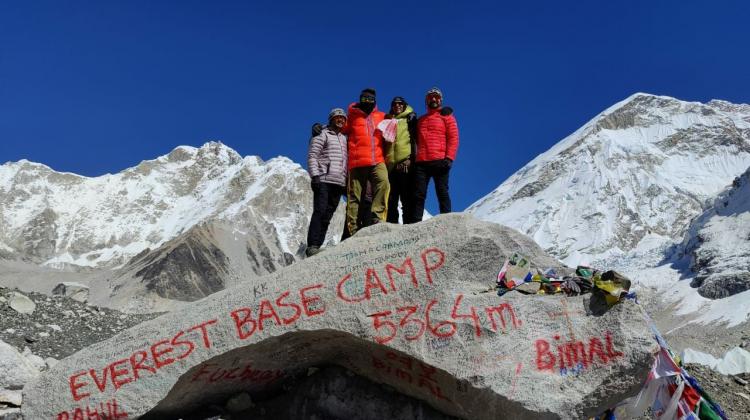
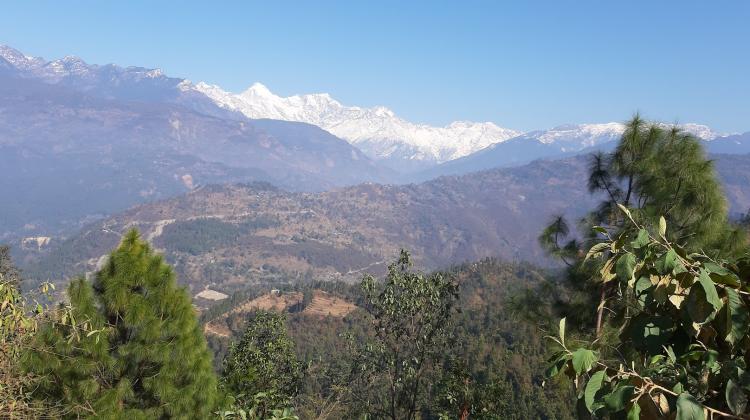
The Everest Base Camp Overnight Experience is a premium Himalayan experience which combines the well-known Everest Base Camp Trek with carefully planned acclimatization, high comfort, and a series of unforgettable moments, focused around the heart of the Khumbu region. You begin with a cultural exploration of Kathmandu before flying to Lukla and trekking through Sherpa villages, ancient monasteries, forest trails, and dramatic Himalayan scenery on the journey toward Everest Trek Nepal.
What makes this trek unique is that one gets an opportunity to spend the night near Everest Base Camp and experience the enchanting environment of the Himalayas when other trekking groups have left. Along the journey, you cross suspension bridges, explore the lively streets of Namche Bazaar, walk beneath the Khumbu Icefall, and enjoy sunrise views from Kala Patthar. Everything is done in the best manner possible, in terms of services provided by Nepalaya Treks.
Trip Highlights
- Enjoy an excellent itinerary planned for proper acclimatization and the best views of the mountains
- Relax in a comfortable 5-star hotel in Kathmandu and the teahouses along the trekking route.
- Marvel at a beautiful sunrise on Mount Everest from the vantage point of Kala Patthar.
- Enjoy the night at Everest Base Camp at the feet of the world’s tallest mountain.
- Enjoy the glaciers, rocks, and the Khumbu Icefall on your way to Lobuche.
- Visit the famous Tengboche Monastery, surrounded by majestic panoramas of the Himalayas.
- Acclimatize yourself with interesting walks to Hotel Everest View and Nangkartshang Peak.
- Enjoy the energy in the busy mountain towns of Phakding, Namche Bazaar and the village of Khumjung.
- Trek the famous Khumbu region, trekking through the beautiful Sherpa villages and over suspension bridges.
- Explore the UNESCO World Heritage Sites and the colorful culture of Kathmandu Valley.
- Adventurous flight to Lukla and landing at one of the most adventurous airports in the world.
Itinerary
Day 1: Arrival at Kathmandu Airport and transfer to the hotel
Upon your arrival at Tribhuvan International Airport in Nepal, you will receive assistance with all the necessary airport procedures as well as a pleasant trip to your hotel from the airport. Kathmandu is a blend of historic traditions and the hustle-bustle of city life with temples. It sets the pace for your trek.
After you reach your hotel, the rest of the day can be used to relax and recover. The briefing may depend on the arrival time. During the briefing, our team explains the trek route, weather conditions, permits, and Lukla flight preparation so you begin the journey fully prepared. This also gives you time to organize your gear and prepare for the journey ahead. You end the day with an overnight stay in Kathmandu on your first day of Everest Trek Itinerary.
Max Elevation: 1,400m (Kathmandu)
Travel Distance: Approx. 6–8 km (airport to hotel)
Travel Duration: 20–40 minutes (drive)
Accommodation: Hotel in Kathmandu
Meals Included: Dinner
Day 2: Fly to Lukla, and trek to Phakding
Day 3: Trekking to Namche Bazaar
Day 4: Acclimatization Day in Namche Bazaar
Day 5: Trek to Tengboche
Day 6: Trekking to Dingboche
Day 7: Acclimatization day in Dingboche
Day 8: Trekking to Lobuche
Day 9: Trek to Gorakshep and Everest Base Camp
Day 10: Early Morning Hike to Kala Patthar and Trek to Pheriche
Day 11: Trek to Namche Bazaar
Day 12: Trekking to Lukla
Day 13: Flight to Kathmandu
Inclusion / Exclusion
Inclusion
- Airport Pickup and Drop
- 2 Nights’ accommodation in Kathmandu, including breakfast
- Flight from KTM- Lukla -KTM
- Meals (Morning Breakfast with tea/coffee, with Lunch and Dinner)
- An English-speaking Professional guide and assistant & porters as per requirements
- Sagarmatha National Park Entry Permit and Khumbu Pasang Lhamu Rural Municipality Permit
- All wages, equipment, meals, medical and accident insurances for trekking staff
- First aid medical kits for emergency
- Frontier trek Duffle bag, T-shirt, or cap
- Trekking Map
- Farewell dinner in Kathmandu
Exclusion
- International airfare to and from Nepal
- Nepal entry visa fees
- Travel insurance (mandatory and must include high-altitude helicopter evacuation coverage)
- Meals in Kathmandu (except breakfast if included in hotel package)
- Personal trekking equipment and clothing (boots, jackets, sleeping bag, etc.)
- Hot showers, Wi-Fi, and charging fees in teahouses during the trek
- Personal snacks, drinks, bottled water, and beverages (tea/coffee outside meals)
- Tips for guide and porter (expected but not mandatory)
- Extra accommodation or transport due to flight delays or weather disruptions
- Emergency evacuation costs not covered by insurance
- Any additional activities or services not mentioned in the itinerary
- Personal expenses such as laundry, shopping, or bar bills
Check List
Packing appropriately is an essential part of preparing for the trek. Weather conditions in the Everest region can change rapidly, particularly at higher elevations, so carrying the right gear helps you stay comfortable, safe, and ready for every stage of the journey. At the same time, pack wisely by bringing only the essentials to avoid unnecessary weight during the trek.
Clothing- Moisture-wicking base layers (2–3 sets)
- Thermal tops and bottoms
- Warm fleece jacket or pullover
- Insulated down jacket (essential for high altitudes)
- Waterproof and windproof shell jacket
- Waterproof trekking pants
- Comfortable trekking pants (2 pairs)
- Quick-dry t-shirts (2–3)
- Warm beanie or wool hat
- Sun hat or cap
- Lightweight gloves
- Insulated waterproof gloves
- Neck gaiter or buff
- Warm trekking socks (4–6 pairs)
- Inner socks (optional)
- Sturdy, well-broken-in trekking boots
- Camp shoes or sandals for teahouses
Trekking Gear
- Backpack (30–40L daypack)
- Duffel bag (70–90L, carried by porter)
- Sleeping bag (rated to at least -15°C)
- Sleeping bag liner (optional)
- Trekking poles
- Headlamp with spare batteries
- Water bottles (2L capacity) or hydration bladder
- Rain cover for backpack
- Dry bags or waterproof stuff sacks
Personal Essentials
- Sunscreen (SPF 50+)
- SPF lip balm
- Sunglasses with UV protection
- Toothbrush and toothpaste
- Biodegradable soap and shampoo
- Hand sanitizer
- Wet wipes
- Quick-dry towel
- Toilet paper and tissues
- Nail clipper
- Moisturizer (the mountain air is very dry)
First Aid & Medications
- Personal prescription medications
- Diamox (if prescribed for altitude sickness)
- Pain relievers
- Adhesive bandages
- Blister treatment (Compeed or moleskin)
- Antiseptic cream
- Oral rehydration salts
- Anti-diarrheal medication
- Cold and cough medicine
- Water purification tablets or a portable water filter
Electronics
- Mobile phone
- Camera (optional)
- Power bank (10,000–20,000 mAh)
- Charging cables
- Universal travel adapter (Type C, D, or M for Nepal)
- Spare camera batteries and memory cards
Snacks
- Energy bars
- Trail mix and nuts
- Chocolate
- Electrolyte tablets or drink powder
- Energy gels (optional)
Documents
- Passport (valid for at least six months)
- Nepal visa (or documents for visa on arrival)
- Travel insurance documents
- Flight tickets
- Trekking permits
- Passport-sized photographs
- Copies of important documents (digital and printed)
- Emergency contact information
Money
- Nepali Rupees in cash for personal expenses
- Credit or debit card (for use in Kathmandu)
Optional Items
- Trekking map or guidebook
- Journal and pen
- Playing cards or a small travel game
- Earplugs
- Inflatable travel pillow
- Binoculars
- Lightweight book or e-reader
- Small sewing kit
- Zip-lock bags for organizing gear
- Gaiters (recommended during snowy or muddy conditions)
Trip FAQs
-
How long is the Everest Base Camp Trek?
The Everest Base Camp Overnight Experience is a 13-day itinerary that includes arrival in Kathmandu, trekking through the Khumbu region, acclimatization days, and return to Kathmandu via Lukla. -
What is the difficulty of Everest Base Camp Trek?
This trek is rated as moderate to challenging due to the high altitude and long hours of trekking, as well as the continuous ascent and descent. Trekking above 3,500 meters requires good physical fitness, even though no technical climbing skills are required. For a safe ascent, the schedule provides several days for acclimatization in Namche Bazaar or Dingboche. -
What is the highest point in the Everest Base Camp Trek?
The highest point of the Everest Base Camp Overnight Experience is Kala Patthar, which is at an elevation of 5,545 meters. Everest Base Camp is located at 5,364 meters and offers a close view of the Khumbu Icefall, surrounding peaks and the summit of Everest. -
Do I need to have trekking experience before I can go to Everest Base Camp
The Everest Base Camp Overnight Experience does not require prior trekking experience. Although good physical condition, regular walking and hiking, as well as mental preparation, are highly recommended. Itinerary designed to accommodate first-time high altitude trekkers. Rest days and gradual altitude gains are included. -
Is there a possibility of altitude sickness on this tour?
Altitude sickness should be taken into account when going up to 5,000 meters and higher. The way to prevent altitude sickness on this tour is proper acclimatization in either Namche Bazaar or Dingboche. You should drink plenty of fluids, obey your guide and move slowly. -
What kind of lodging can I expect on my trekking tour?
Teahouses located along the trek route offer basic rooms for twin sharing. The facilities are basic and get more limited as you climb higher, such as Lobuche or Gorakshep. Depending on the package, comfortable hotel accommodations in Kathmandu are included both before and after your trek.
-
What type of food can I expect on the trek?
In teahouses, you can find a mixture of Nepali dishes and international classics. Some of the most common options are dal bhat (noodles), soups, fried rice, potatoes, eggs and pasta. Tea and coffee, which are hot drinks that help maintain energy on long treks, are available. -
What should be done if Lukla flights get delayed or redirected?
If there is any weather problem, then the Lukla flights may get delayed or canceled. In the peak season, Lukla flights can start from Ramechhap instead of Kathmandu. It involves traveling on roads, which will take 4-5 hours, along with some small flights. For dealing with such a situation, it is recommended to plan buffer days in your schedule. -
Which permits do we need for the Everest Base Camp Trek?
The permits that you will need for the trekking include: Sagarmatha Park Entry Permit and Khumbu Pasang Lhamu Municipality Permit. They are checked at the entry point as well as on the trekking route. Permits are crucial to regulate trekking in the Everest region. -
When should one consider hiking to the Everest Base Camp?
The spring season (March to May) and the autumn season (September to November) are said to be the best seasons to hike to the Everest Base Camp. This is because of the perfect weather conditions during these two seasons when mixed with the stunning mountain views and enjoyable hiking. -
How do I charge my mobile phone?
Yes. Yes. In most cases, charging is available in the dining room or designated charging area rather than the room. Charging fees increase as you climb in altitude due to the limited electricity. It is therefore recommended that you carry a power bank fully charged for the higher sections of your trek. -
Is WiFi available?
There is WiFi in many teahouses in the Everest region. This includes villages like Namche Bazaar and Lobuche. The connection may be unstable and slow at higher altitudes, depending on the weather. WiFi is usually charged extra at most lodges, and the speeds are only suitable for basic messaging. -
Does the mobile network cover my area?
As you ascend higher, the coverage of mobile networks becomes less reliable. Nepal Telecom (NTC), which offers coverage in most areas of the trekking route, is generally the best. Ncell covers some lower sections. Signal strength can vary depending on the weather and terrain. There may also be no or little reception in remote areas such as Everest Base Camp. -
What is the maximum amount of cash I should carry?
Cash is needed for items such as WiFi, charging devices, hot showers and laundry. There are also no ATMs after Namche Bazaar. Cash is required for WiFi, charging devices and hot showers. It's also needed for snacks, drinks and bottled water. Carrying NPR 25,000-35,000 for the trek is usually sufficient, depending on your spending habits. Card payment options outside Kathmandu are limited. -
Is renting equipment possible in Kathmandu?
Yes. You can rent high-quality equipment in Kathmandu before you start your trip. Rental items include a four-season sleeping bag, trekking poles and duffel bags. They also include gaiters, microspikes, crampons and down jackets. When you book your trek through Nepalaya Treks, the team will also help you arrange rental equipment for your trip to Lukla.
All Inclusive Cost
BOOK NOW QUICK ENQUIRY- Best Price Guarantee
- Hassle-Free Booking
- Team of highly experienced Experts
You may also like !!
Our Best Selling Packages You May Like.