Overview
Trip Highlights
- Spot Himalayan Thar, monal, musk deer, and mountain birds
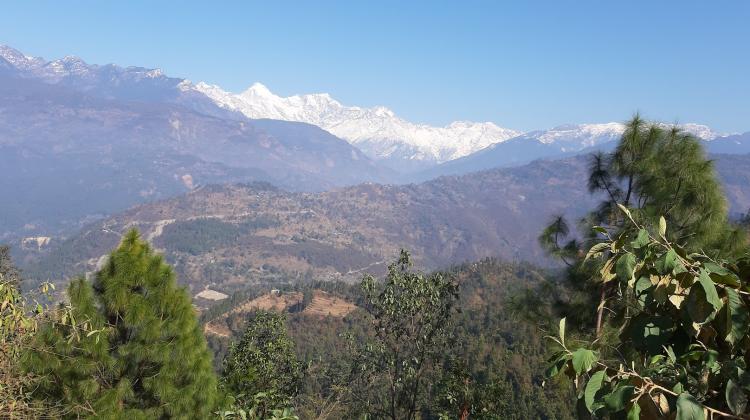
- Enjoy panoramic views of Everest, Lhotse, Ama Dablam, and more
- Explore Sherpa villages like Namche, Dingboche, and Gokyo
- Experience authentic Sherpa culture and hospitality
- Visit the famous Tengboche Monastery
- Walk alongside the Khumbu and Ngozumpa Glaciers
- Trek through the UNESCO-listed Sagarmatha National Park
- Enjoy a scenic mountain flight to Lukla
- Explore the stunning turquoise Gokyo Lakes
- Hike to Gokyo Ri (5,357m) for panoramic Himalayan views
- Watch a spectacular sunrise from Kala Patthar (5,545m)
- Cross the thrilling Cho La Pass (5,420m)
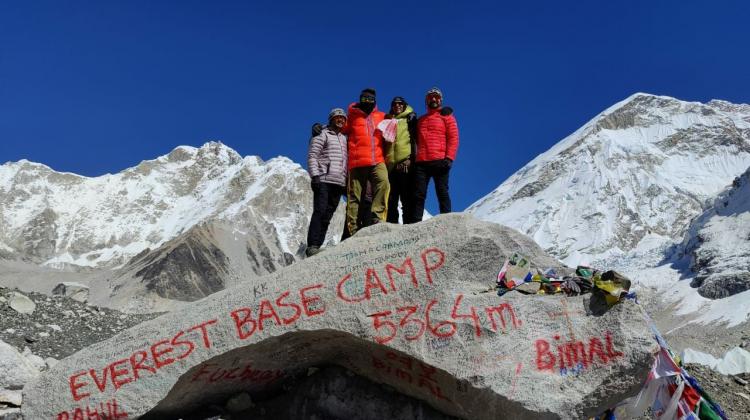
- Reach the legendary Everest Base Camp (5,364m)
Itinerary
Day 1: Arrival in Kathmandu and Hotel Check-in and Trek Briefing
Welcome to Nepal, gateway to the Himalayas. Our representative will meet you at Tribhuvan International Airport in Kathmandu, and then drive you to your hotel. Upon arrival, guests stay in Kathmandu's most popular tourist area, Thamel; to relax or indulge in some shopping on the busy streets. Your trekking guide will be available in the evening to give you a detailed trek briefing and final equipment check. This is a good chance to ask questions and get ready for your upcoming trip. You can also go to the nearby markets, cafe or cultural sight before moving on to a welcome dinner and spending an overnight night in Kathmandu based on your arrival time.
Max Elevation: 1,400 meters
Travel Distance: 6 to 8 kilometers
Travel Hours: 30 to 45 minutes
Accommodation: 3 Star Hotel
Meal Included: Welcome Dinner
Day 2: Fly to Lukla and Trek to Phakding (2,651meters)
Day 3: Trek to Namche Bazaar (3,440 meters)
Day 4: Acclimatization Day in Namche and Optional hike to the Everest View Hotel to adjust to altitude
Day 5: Trek to Tengboche (3,860 meters)
Day 6: Trek to Dingboche (4,350 meters)
Day 7: Acclimatization in Dingboche and Day Hike to the Nangkartshang Peak for Better Views
Day 8: Trek from Lobuche to Gorakshep and Everest Base Camp
Day 9: Lobuche to EBC and Back to Gorak Shep (5,164m) and Visit the Base Camp and View the Khumbu Icefall
Day 10: Kala Patthar and Trek to Dzonglha
Day 11: Cross Cho La Pass (5,420 meters) to Thagnak
Day 12: Trek to Gokyo
Day 13: Gokyo Ri Hike and Trek to Dhole
Day 14: Trek to Namche Bazaar
Day 15: Trek to Lukla from Namche Bazaar
Day 16: Fly to Kathmandu from Lukla
Inclusion / Exclusion
Inclusion
- Pick-up and drop-off at the airport from and to your private vehicle
- Hotel accommodation for two nights in Kathmandu with breakfast
- Three meals a day (Breakfast, Lunch, and Dinner) during the trek
- Sightseeing tour in Kathmandu with your private vehicle
- Teahouse/lodge accommodation during the whole trekking period
- Sagarmatha National Park Entry Permit and Khumbu Pasang Lhamu Rural Municipality Permit
- Round flight from Kathmandu to Lukla to Kathmandu, transfer to airport, and airport tax
- Experienced government licensed English-speaking trekking guide whose salary, food, accommodation, transport, and insurance will be included
- Strong and experience porter (One porter will share between two trekkers) whose salary, food, accommodation, and insurance will be included
- Basic medical kit to comprehensive first aid kit carried by the guide
- Assistance with emergency helicopter evacuation (Helicopter evacuation cost will be covered by traveler insurance policy)
- Sleeping bag, down jacket, duffel bag, and trekking pole will be provided during the trek (All the items should be returned after the trek)
- Government taxes and service charges
- Oxygen saturation monitoring every day to track altitude acclimatization and symptoms of AMS
Exclusion
- Lunch and dinner in Kathmandu
- Nepal visa processing cost (issuable on arrival at Tribhuvan International Airport)
- International flight ticket to and from Nepal
- Travel insurance and high altitude trekking insurance
- Expenses of personal nature like laundry, internet, phone calls, and shopping
- Any beverages (alcoholic or non-alcoholic) including tea, coffee, hot chocolate, soft drinks, bottled water, and any additional snacks to be bought while trekking
- Extra desserts and foods like cake, chocolates, pie, and pudding
- Charges for hot shower and device charging facilities in teahouse lodges
- Monument entrance fees in Kathmandu for sightseeing (around USD 30 per head)
- Tips for guide, porter, and driver
- Overhead baggage cost for Lukla air tickets for excess luggage beyond the baggage limit of the airline (10 kg checked and 5 kg hand carry)
Check List
It is crucial to have the right clothing and equipment for your trekking tour in the Everest region to ensure your comfort and safety during the trek. This trek takes you up to an altitude of more than 5,500 meters and involves crossing the Cho La Pass which makes it quite challenging. It is suggested to pack only the things you really need during the trip.
General Equipment
-
All-season sleeping bag
-
Down jacket
-
Duffel bag
-
Waterproof and windproof outer jacket
-
Daypack (25-35 Liters)
-
Backpack rain cover
-
Reusable water bottles or hydration bladder
Protection for Head, Face & Eyes
-
Warmer hat or beanie that covers the ears
-
Sun hat or cap
-
UV protection sunglasses
-
Neck gaiter or buff
-
Sunscreen (SPF 35-60)
-
Lip balm with SPF
-
Headlamp with extra batteries
Protection for Hands
-
Lightweight trekking gloves
-
Warmer fleece or wool gloves
-
Waterproof and windproof outer gloves for cold conditions
Clothing for Upper Body
-
Wicking long-sleeve trekking shirts
-
Thermal base layers
-
Fleece or wool jacket
-
Down jacket for insulation
-
Waterproof and windproof shell jacket
-
Sports bras (for women)
Clothing for Lower Body
-
Thermal leggings or pants
-
Trekking pants
-
Waterproof and windproof shell pants
-
Warm fleece pants
-
Casual pants for evening use
Footwear
-
Waterproof trekking boots with ankle support
-
Lightweight camp shoes or sandals
-
4-5 pairs of warm trekking socks
-
Socks liners
-
Lightweight sneakers
First Aid & Personal Medication
-
Personal prescribed medications
-
Band-aids
-
Blister care kit
-
Pain killers
-
Diamox (for altitude sickness if recommended by your physician)
-
Antiseptic ointment
-
Water purification tablets
-
Personal first aid supplies
Personal Belongings & Toiletries
-
Toothbrush and Toothpaste
-
Biodegradable soap
-
Towel
-
Toilet Paper
-
Baby Wipes
-
Sanitizer
-
Nail Clipper
-
Moisturizer
Important Papers
-
Passport copy
-
Four passport size photos
-
Insurance documents
-
Flight papers and copies of all important documents
-
Permits for trekking (provided by the company)
Electronic Accessories
-
Power Bank
-
Cell phone and charger
-
Camera with charger
-
Extra memory card
-
Extra batteries
Other Things
-
Walking poles
-
Energy Bars
-
Travelling Pillow
-
Notebook and Pen
-
Playing Cards/Books
-
Music Player
Hydration & Water
-
Re-usable water bottle
-
Water purifying tablets/pack
-
Electrolyte Pack
Trip FAQs
-
What level of difficulty is the Everest Base Camp Cho La Pass Trek?
The Everest Base Camp Cho La Pass Trek is considered difficult because of its elevation, trekking days, and the pass at an altitude of 5,420 meters. Trekking enthusiasts must have a good physical condition and be used to walking for 5 to 8 hours on mountainous terrain. -
How many days do you need for the Everest Base Camp via Cho La Pass Trek?
It takes 15 to 18 days to finish the Everest Base Camp via Cho La Pass Trek. The 16-day itinerary is one of the most favored itineraries as it covers Everest Base Camp, Kala Patthar, and Gokyo Lakes; and also provides appropriate acclimatization days at Namche Bazaar and Dingboche. -
Is Cho La Pass dangerous to cross?
It can be done safely during the major trekking seasons because the weather is always favorable at that time. But crossing it may not be easy due to the presence of snow and ice on the pass. It can be done safely by trekking early and having a good guide. -
What is the best time to do the Everest Base Camp via Cho La Pass Trek?
Spring season (March to May) and autumn season (September to November) are the best time for the trip. These months offer a clear view of the mountain range, moderate temperature, and favorable weather conditions. Crossing Cho La Pass becomes more convenient during this time than in winter or monsoon season. -
Do I need previous trekking experience for Everest Base Camp via Cho La Pass?
Having prior experience with trekking is an added advantage but is not essential. There have been many new trekkers who have completed the journey successfully; despite having no prior experience with trekking. -
What permits are required for the Everest Base Camp via Cho La Pass Trek?
The trekkers need to have two permits for the trek, the Khumbu Pasang Lhamu Rural Municipality Permit and the Sagarmatha National Park Entry Permit. The permits are checked at various locations on the trail and are generally obtained through trekking agencies before starting the trek. -
Which is better Everest Base Camp Trek or Everest Base Camp via Cho La Pass?
The regular trek to Everest Base Camp is ideal for trekkers who want an easier trek. The Everest Base Camp – Cho La Pass Trek gives an adventurous experience, as it covers the Everest Base Camp, Kala Patthar, Gokyo Lakes, Gokyo Ri, and the thrilling passage of Cho La Pass.
All Inclusive Cost
BOOK NOW QUICK ENQUIRY- Best Price Guarantee
- Hassle-Free Booking
- Team of highly experienced Experts
You may also like !!
Our Best Selling Packages You May Like.