Overview
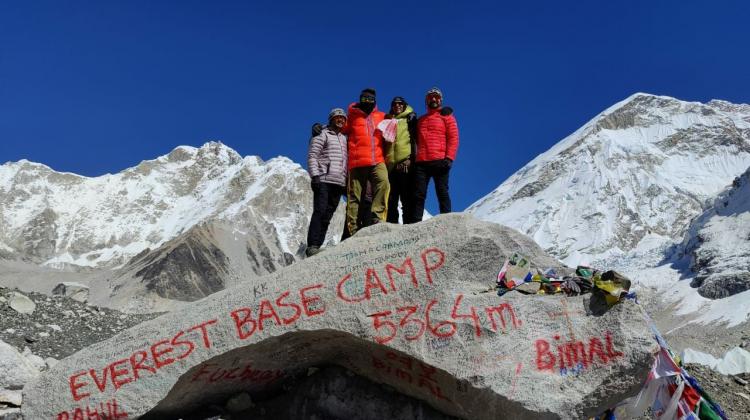
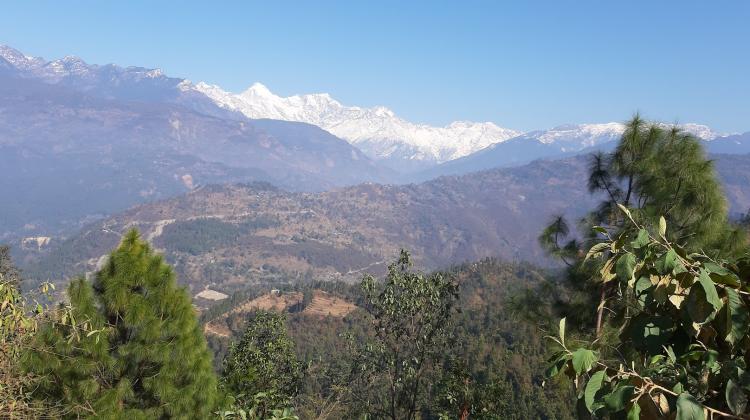
Explore the Everest Base Camp Trek, one of Nepal’s most luxurious treks, which provides you with an overnight stay near the Everest Base Camp. In contrast to the traditional Everest Base Camp Trek, the special 13-day trek offers you an opportunity to spend an overnight stay under the world’s tallest mountain and surrounded by the dramatic Khumbu Icefall and majestic peaks of the Himalayas. Walk along the legendary Sherpa villages, like Namche Bazaar, Tengboche, Dingboche, Lobuche, and Gorakshep, admire the stunning views of Mount Everest, Mount Lhotse, Mount Nuptse, Mount Ama Dablam, Mount Pumori, and finish up the trek with the breathtaking sunrise trek to Kala Patthar.
Trip Highlights
- Enjoy peaceful evenings at Everest Base Camp
- Witness the Khumbu Icefall up close
- Spot Himalayan wildlife
- Experience authentic Sherpa culture
- Enjoy panoramic views of Everest, Lhotse, Nuptse, Ama Dablam, Pumori, and Thamserku
- Walk alongside glaciers and moraines
- Cross iconic suspension bridges
- Visit Tengboche Monastery
- Acclimatize in Namche Bazaar
- Explore traditional Sherpa villages
- Trek through Sagarmatha National Park
- Scenic flight to and from Lukla
- Sunrise hike to Kala Patthar
- Overnight camping at Everest Base Camp
Itinerary
Day 1: Arrival in Kathmandu and Transfer to Hotel
After your arrival at Tribhuvan International Airport, Kathmandu our staff will pick you up and transfer you to your hotel in a private vehicle. It takes about 20 to 30 minutes on the drive depending on the traffic. Once you reach the hotel, you can check-in and rest after the flight. In the evening just before dinner, a briefing session will be held where you will meet your trekking guide as well as get some basic information about the Everest Base Camp Trek. You can also ask questions and prepare for the trip as well. Later, you can also explore Thamel, a popular tourist area in Kathmandu.
Max Elevation: 1,350 meters (Kathmandu)
Travel Distance: 6 to 8 kilometers
Travel Time: 20 to 30 minutes
Accommodation: 3 Star Hotel
Meal Included: Welcome Dinner
Max Elevation: 1,350 meters (Kathmandu)
Travel Distance: 6 to 8 kilometers
Travel Time: 20 to 30 minutes
Accommodation: 3 Star Hotel
Meal Included: Welcome Dinner
Day 2: Fly to Lukla from Kathmandu and Trek to Phakding
Day 3: Trek to Namche Bazaar
Day 4: Acclimatization Day at Namche Bazaar
Day 5: Trek on to Tengboche from Namche Bazaar
Day 6: Trek to Dingboche from Tengboche
Day 7: Acclimatization Day at Dingboche
Day 8: Trek to Lobuche from Dingboche
Day 9: Trek to Gorakshep and Continue to Everest Base Camp and Back to Gorakshep (Overnight at Everest Base Camp)
Day 10: Early morning at Everest Base Camp, Trek Back to Gorakshep, Hike to Kala Patthar, Then Descend to Pheriche
Day 11: Trek to Namche Bazaar
Day 12: Trek to Lukla from Namche Bazaar
Day 13: Fly Back to Kathmandu
Inclusion / Exclusion
Inclusion
- Private transfer from the airport to the hotel in Kathmandu
- Two nights accommodation in Kathmandu in a standard twin sharing room with breakfast
- Breakfast, lunch, and dinner three meals a day during the trek
- Teahouse/lodge accommodation throughout the trek
- Entry permits of Sagarmatha National Park and Khumbu Pasang Lhamu Rural Municipality
- Round flight ticket of Kathmandu to Lukla return ticket from Kathmandu and airport transfer including domestic airport tax
- Experienced and licensed English speaking government trekking guide with salary, accommodation, meals, transportation and insurance
- Sherpa porter service which is very reliable and strong (one porter shared between two trekkers) salary, meal, accommodation, gear, and insurance
- First aid kit carried by the trekking team
- Emergency Helicopter evacuation support (evacuation fee will be covered through your travel insurance)
- Sleeping bag, down jacket, duffel bag, trekking pole use (return the items after the trek)
- Taxes and service charge of the government
- Checking daily oxygen saturation level and pulse of trekking team members with oxygen meter
Exclusion
- Entry visa cost for Nepal (available upon arrival at Kathmandu International Airport)
- Travel insurance and health insurance
- International flights to and from Nepal
- Personal spending on purchases, laundries, and telephone
- Alcohol and other refreshments like tea, coffee, hot chocolate, soft drinks, bottled water, and other beverages bought during the hike
- Additional food items like snacks, sweets, chocolates, cakes, pies, and puddings
- Charges for hot showers and electricity recharge in mountain lodges
- Tips to be paid to the guide, porters, and driver
- Excess baggage charge on luggage weight above the domestic flights limit
- Any additional cost due to any delay or disaster during the trip
Check List
Packing appropriately is considered one of the important part of your preparation for the trek. Since the weather changes fast in the Everest region, especially on higher altitudes, having the appropriate gear will help you to keep comfortable, safe, and prepared during your trip. At the same time, try to avoid carrying unnecessary items that add extra weight.
General Equipment
General Equipment
- All season sleeping bag
- Down jacket
- Duffle bag
- Windproof and waterproof jacket
- Day pack (25 to 35 liters)
- Trekking poles
- Warm hat with ear flaps
- Sun hat or cap
- UVA and UVB protected sunglasses
- Buff or neck warmer
- Sunscreen lotion (SPF 35 to 60)
- Lip balm with sunscreen
- Head torch with extra batteries
- Light trekking gloves
- Insulated gloves
- Waterproof outer gloves (for colder season)
- Moisture management long-sleeved trekking t-shirts
- Thermal tops
- Fleece top or woolen pullover
- Down jacket
- Waterproof and windproof shell top
- Sports bra (for ladies)
- Thermal underwear or long thermal leggings
- Trekking pants
- Waterproof and windproof pants
- Warm fleece or insulated pants
- Casual pants to use in the evening at lodge
- Waterproof trekking boots with ankle support
- Light walking shoes or sneakers
- Sandals or slippers
- 4 to 5 pairs of trekking socks
- Woolen socks for cold days
- Sock liners (optional)
- Personal prescribed medicine
- Band aids
- Blister kit or moleskin
- Pain killer medicine
- Diamox (in case of high altitude mountain sickness, under the advice of your doctor)
- Water purification tablets
- Anti-septic cream
- Insect bite cream
- Original passport
- Four passport-sized photos
- Documents for travel insurance
- Details regarding flight and copies of important documents
- Contact information in case of emergencies
- Toothbrush and toothpaste
- Eco-friendly soap
- Small towel
- Wet napkins
- Hand sanitizers
- Toilet paper
- Zip lock bags
- Portable power bank
- Cell phone and charger
- Camera and additional accessories
- Extra batteries and memory cards
- Universal travel adapter
- Re-useable water bottle or hydration pack
- Water purifier or water purification tablets
- Snacks like energy bars, nuts, chocolates, etc.
- Optional items
- Notebook or diary
- Cards to play games or any travel games
- Music player or headphones
- Book or E-reader
Trip FAQs
-
Can beginners do the Everest Base Camp Trek with an overnight stay at Base Camp?
Yes, as long as the person is relatively fit, this trail can be done even by beginners. The itinerary involves some days for acclimatizing in Namche Bazaar and Dingboche, which helps your body adjust to the higher altitudes. Regular walking, jogging, and hiking before the trek, can make the trek more comfortable and enjoyable. -
What is it like to spend a night at the base camp of Everest?
Spending a night at Everest Base Camp is a unique experience that very few trekkers get to enjoy. After all visitors go back down from the base camp, the surroundings become extremely peaceful. You can enjoy the glacier views, watch sunset on surrounding mountains, and even get to experience the feeling of the atmosphere of the world-famous base camp. -
How challenging is the Everest Base Camp Trek with overnight camping?
The trek is considered as moderately challenging due to its high altitude but not due to the trekking trail itself. Mostly during the trek, you need to walk for 5 to 8 hours daily. No technical climbing skills are needed for the trek but you need to be ready for steep sections, colder climate conditions, and thinner air as you reach Everest Base Camp. -
When is the best time to do the Everest Base Camp Trek?
This trek can be done during spring (March - May) and autumn (September - November). Both of these seasons offers clear views of mountains, stable weather, and comfortable trekking temperatures. During spring, rhododendrons will bloom, while during autumn you get to enjoy great visibility and beautiful scenery of the mountain. -
Is there a chance of getting altitude sickness during this trek?
Yes, altitude sickness can affect anyone, regardless of age and physical condition. This trek includes acclimatization days, to help reduce the risk of the altitude related emergencies during the trek. Walking slowly, drinking enough water, eating properly, and listening to your guide are some of the ways, that will help you to stay healthy at high elevations.
All Inclusive Cost
BOOK NOW QUICK ENQUIRY- Best Price Guarantee
- Hassle-Free Booking
- Team of highly experienced Experts
You may also like !!
Our Best Selling Packages You May Like.