Overview
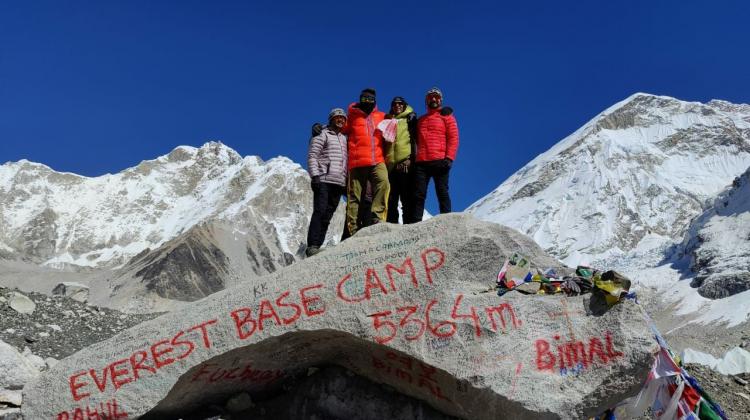
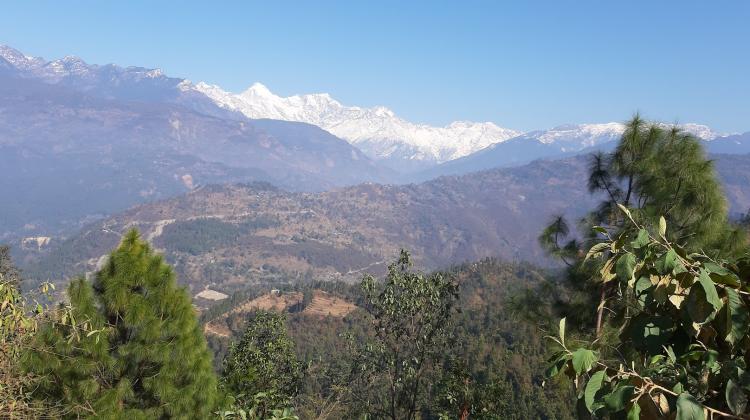
The Everest Sherpa Village Trek is a 9-day adventure that offers a unique opportunity to explore the cultural heart of Nepal's Khumbu region, home to the legendary Sherpa people. This trek introduces travelers to traditional mountain villages where ancient Buddhist traditions, colorful monasteries, and centuries-old customs are still part of everyday life. Along the journey, you can explore Namche Bazaar, the vibrant trading hub of the Everest region, the famous Tengboche Monastery, and the peaceful village of Khumjung, known for its monastery, Sir Edmund Hillary School, and the legendary Yeti scalp. The trek also passes through Sagarmatha National Park, a UNESCO World Heritage Site that protects rare Himalayan wildlife, alpine forests, and breathtaking mountain landscapes. With a maximum altitude of 3,867 meters, it provides spectacular views of Mount Everest, Lhotse, Ama Dablam, and other iconic peaks while offering a comfortable trekking experience. It is an excellent choice for anyone interested in Sherpa culture, Himalayan history, and the natural beauty of the Everest region.
Trip Highlights
- Experience the Everest region without trekking to Everest Base Camp
- Visit the Sir Edmund Hillary School in Khumjung
- Stay in traditional mountain teahouses
- Walk through Sagarmatha National Park, a UNESCO World Heritage Site
- Cross suspension bridges over the Dudh Koshi River
- Explore the peaceful Khumjung Village and its historic monastery
- Enjoy views of Everest, Lhotse, Ama Dablam, Thamserku, Kongde Ri, and Kusum Kanguru
- Experience authentic Sherpa culture, traditions, and hospitality
- Visit Tengboche Monastery, the largest in the Khumbu region
- Explore Namche Bazaar, the gateway to Everest
- Trek through Sherpa villages including Phakding, Namche Bazaar, Tengboche, and Khumjung
- Enjoy one of the world's most scenic flights between Kathmandu and Lukla
Itinerary
Day 1: Arrival in Kathmandu Airport and Transfer to Hotel
Welcome to Nepal, upon your arrival at Tribhuvan International Airport, a representative from Nepalaya Treks will greet you and transfer you to your hotel in the heart of Kathmandu. After checking in, you can relax after your journey or explore the lively streets of Thamel, known for its cafes, restaurants, souvenir shops, and trekking stores. In the evening, you'll meet your trekking guide for a detailed briefing about the Everest Sherpa Village Trek, where you'll discuss the itinerary, safety guidelines, weather conditions, and complete a final equipment check. This is also a great time to ask any questions before the adventure begins. The day concludes with a welcome dinner featuring authentic Nepali cuisine before spending the night at your hotel in Kathmandu.
Max Elevation: 1,400 meters
Travel Distance: 6 to 8 kilometers
Travel Hours: 30 to 45 minutes
Accommodation: 3 Star Hotel
Meal Included: Welcome Dinner
Max Elevation: 1,400 meters
Travel Distance: 6 to 8 kilometers
Travel Hours: 30 to 45 minutes
Accommodation: 3 Star Hotel
Meal Included: Welcome Dinner
Day 2: Fly from Kathmandu to Lukla and Then Trek to Phakding (2652 meters)
Day 3: Trek from Phakding to Namche Bazaar (3,440 meters)
Day 4: Acclimatization day in Namche Bazaar
Day 5: Trek from Namche Bazaar to Tengboche (3867 meters)
Day 6: Trek from Tengboche to Khumjung Village (3789 meters)
Day 7: Trek from Khumjung Village to Phakding (2652 meters)
Day 8: Trek from Phakding to Lukla
Day 9: Fly Back to Kathmandu from Lukla
Inclusion / Exclusion
Inclusion
- Airport pickup and drop-off by private car or jeep
- Kathmandu to Lukla and Lukla to Kathmandu domestic flights with airport transfers and taxes
- Three daily meals (breakfast, lunch, and dinner) during the trek
- Accommodation in comfortable local mountain teahouses during the trek
- Sagarmatha National Park Entry Permit and Khumbu Pasang Lhamu Rural Municipality Permit
- Assistance with emergency helicopter evacuation (evacuation costs are covered by your travel insurance policy)
- Government-licensed, English-speaking trekking guide with salary, meals, accommodation, transportation, and insurance
- Experienced Sherpa porter (one porter for every two trekkers, carrying up to 25 kg) with all expenses covered
- Comprehensive first aid kit carried by the guide
- Use of a sleeping bag, down jacket, duffel bag, and trekking poles (returned after the trek)
- Pulse oximeter for regular oxygen saturation and heart rate monitoring during the trek
- All government taxes and official service charges
Exclusion
- Lunch and dinner while staying in Kathmandu
- Hotel accommodation in Kathmandu
- Nepal entry visa fees
- International airfare to and from Nepa
- Personal travel and high-altitude medical insurance
- Personal expenses such as laundry, shopping, and phone calls
- Alcoholic and non-alcoholic beverages, bottled water, tea, coffee, hot chocolate, and extra snacks during the trek
- Desserts and confectionery items such as cakes, chocolates, pies, and puddings
- Hot showers and battery charging fees at mountain teahouses
- Tips for guides, porters, and drivers
- Excess baggage charges on Lukla flights (over the airline's baggage allowance)
- Any additional expenses caused by early return from the trek due to illness, weather, or personal reasons, including accommodation, meals, and transportation in Kathmandu
Check List
Packing the right gear will make your trek more comfortable and enjoyable. Bring only the essentials to keep your backpack light while ensuring you're prepared for changing mountain weather.
General
General
- Sleeping bag
- Down jacket
- Duffel bag
- Windproof and waterproof jacket
- Comfortable daypack (20–30 liters)
- Warm hat or beanie
- Sun hat or cap
- Sunglasses with UV protection
- Neck gaiter or buff
- Sunscreen (SPF 35–60)
- Lip balm with SPF
- Headlamp with extra batteries
- Lightweight trekking gloves
- Warm insulated gloves
- Moisture-wicking T-shirts
- Long-sleeve trekking shirts
- Thermal base layer
- Fleece jacket or warm sweater
- Down or insulated jacket
- Waterproof outer shell
- Sports bras (for women)
- Thermal leggings
- Trekking pants
- Waterproof trousers
- Comfortable casual pants for evenings
- Undergarments
- Waterproof trekking boots
- Comfortable sandals or slippers
- Light shoes or sneakers
- 4–5 pairs of warm trekking socks
- Sock liners (optional)
- Personal medications
- Pain relief medicine
- Diamox (if recommended by your doctor)
- Blister care supplies
- Bandages and antiseptic cream
- Water purification tablets
- Toothbrush and toothpaste
- Soap and shampoo
- Quick-dry towel
- Toilet paper and wet wipes
- Hand sanitizer
- Original passport
- 2–4 passport-size photographs
- Travel insurance documents
- Flight details and copies of important documents
- Cash for personal expenses
- Reusable water bottle or hydration bladder
- Water filter (optional)
- Trekking poles (recommended)
- Power bank
- Mobile phone charger
- Energy bars or dry snacks
- Plastic or dry bags to keep gear dry
Trip FAQs
-
Is the Everest Sherpa Village Trek suitable for beginners?
Yes, the Everest Sherpa Village Trek is a great choice for beginners with a reasonable level of fitness. The highest point is 3,867 meters, which is much lower than Everest Base Camp. The itinerary also includes an acclimatization day in Namche Bazaar, making the trek more comfortable and reducing the risk of altitude sickness. -
What is the best time to do the Everest Sherpa Village Trek?
The best seasons are spring (March – May) and autumn (September – November). These months usually offer clear skies, comfortable temperatures, and excellent mountain views. Spring brings colorful rhododendron forests, while autumn is known for stable weather and crisp visibility across the Everest region. -
What is the 2 PM rule on Everest?
The 2 PM rule is a safety guideline commonly followed in the Everest region. It suggests reaching your destination by around 2 PM, as mountain weather can change quickly during the afternoon. Arriving earlier also provides enough time to rest, explore the village, and avoid walking in poor weather conditions. -
Can you do Everest Base Camp in 9 days?
Yes, it is possible through a shortened itinerary, but it is generally not recommended for most trekkers. A 9-day trek usually skips important acclimatization days, which increases the risk of altitude sickness. Most standard Everest Base Camp itineraries take 12–14 days for a safer and more enjoyable experience. -
What is the Sherpa 8/3 rule?
The Sherpa 8/3 rule is an informal guideline often shared by experienced Sherpa guides. It encourages trekkers to walk at a slow, steady pace, take regular short breaks, stay hydrated, and avoid rushing at high altitude. It is not an official mountaineering rule but reflects practical advice for safer trekking. -
Do I need travel insurance for the Everest Sherpa Village Trek?
Yes, travel insurance is strongly recommended for this trek. Your policy should cover high-altitude trekking up to at least 4,000 meters, emergency helicopter evacuation, medical treatment, and trip cancellations. Having proper insurance provides peace of mind in case of unexpected situations during the journey. -
What permits are required for the Everest Sherpa Village Trek?
You need two permits for this trek: the Sagarmatha National Park Entry Permit and the Khumbu Pasang Lhamu Rural Municipality Permit. These permits help support conservation efforts and local community development while allowing visitors to enter the Everest region.
All Inclusive Cost
BOOK NOW QUICK ENQUIRY- Best Price Guarantee
- Hassle-Free Booking
- Team of highly experienced Experts
You may also like !!
Our Best Selling Packages You May Like.